
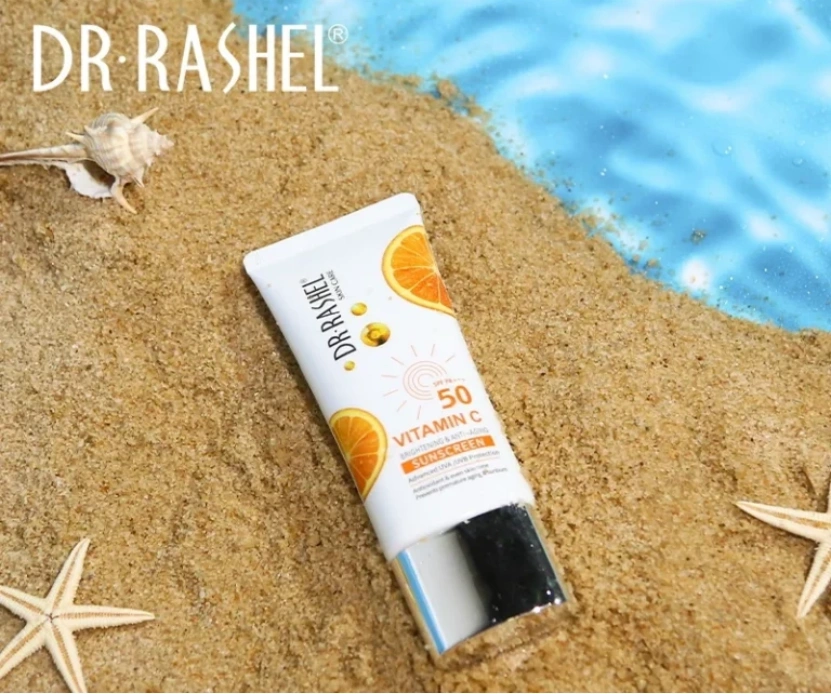
جميع أنواع البشرة تحتاج إلى الحماية من الشمس. لا يكمن جوهر الأمر في استخدام واقي الشمس بحد ذاته، بل في اختيار النوع المناسب من بين الأنواع الكيميائية أو الفيزيائية التي تلائم نمط حياتك. كل نوع يحمي من الأشعة فوق البنفسجية بطريقته الخاصة. إذا فهمت هذا، ستختار النوع الأنسب لك. واقي الشمس الذي يتجنب الضرر ويتناسب مع عاداتك اليومية.
ما الذي يجعل واقي الشمس ضرورياً لحماية البشرة؟
تصلنا أشعة الشمس باستمرار، حتى في الأيام الغائمة، أو حتى داخل المنزل بجوار النوافذ. لذا، من المهم أن تدرك أهمية استخدام واقي الشمس يوميًا، فهو أساس العناية بالبشرة.
أهمية الحماية اليومية من الشمس
تختبئ الأشعة فوق البنفسجية عن الأنظار، لكنها تُلحق ضرراً بالغاً. فهي تُسبب ظهور التجاعيد المبكرة، والبقع البنية، وتلف الجلد المستمر. لذا، يُنصح باستخدام واقي الشمس بانتظام لتجنب الحروق، كما أنه يُقلل من احتمالية الإصابة بسرطان الجلد. تتراكم آثار التعرض السريع لأشعة الشمس، مثلاً أثناء القيادة إلى العمل أو الجلوس بالقرب من نافذة مضاءة. ومع مرور الوقت، تظهر علامات الشيخوخة بوضوح. ينصح أخصائيو الجلد باستخدام واقي الشمس يومياً، ويؤكدون على أهمية تجاهل توقعات الطقس أو التقويم.
فهم الأشعة فوق البنفسجية وتأثيراتها على الجلد
تخترق أشعة UVA الطبقة القاعدية للجلد بعمق، فتُتلف ألياف الكولاجين والإيلاستين المسؤولة عن شد البشرة ونضارتها، مما يؤدي إلى ظهور التجاعيد وفقدان مرونتها تدريجيًا. أما أشعة UVB فتستهدف الطبقة الخارجية من الجلد، مُسببةً حروق الشمس ومشاكل في لون البشرة. تعمل واقيات الشمس الجيدة على حجب أو امتصاص أشعة UVA وUVB على حد سواء، وتوفر تغطية كاملة، وهو أمر بالغ الأهمية للحفاظ على صحة البشرة على المدى الطويل.
استكشاف أساسيات واقيات الشمس الكيميائية
تعرّف على واقيات الشمس الكيميائية قبل الخوض في المقارنات. ادرس كيفية عملها على نطاق صغير. ولاحظ أيضاً سبب إقبال الناس على استخدامها بشكل روتيني.
كيف تعمل واقيات الشمس الكيميائية
تحتوي واقيات الشمس الكيميائية على مواد عضوية مثل أفوبنزون، وأوكسي بنزون، وأوكتوكريلين. تعمل هذه المواد على امتصاص الأشعة فوق البنفسجية مبكرًا، قبل أن تصل إلى أعماق الجلد. كما أنها تحوّل طاقة الأشعة فوق البنفسجية إلى حرارة، مما يسمح للجلد بالتخلص منها من الطبقة الخارجية دون أي مشكلة. وبفضل تركيبتها الخفيفة، تُعدّ خيارًا مثاليًا للاستخدام قبل وضع المكياج، حيث يحرص الكثيرون على إدراجها ضمن روتين العناية بالبشرة الصباحي.
مزايا استخدام واقيات الشمس الكيميائية
توفر واقيات الشمس الكيميائية فوائد حقيقية:
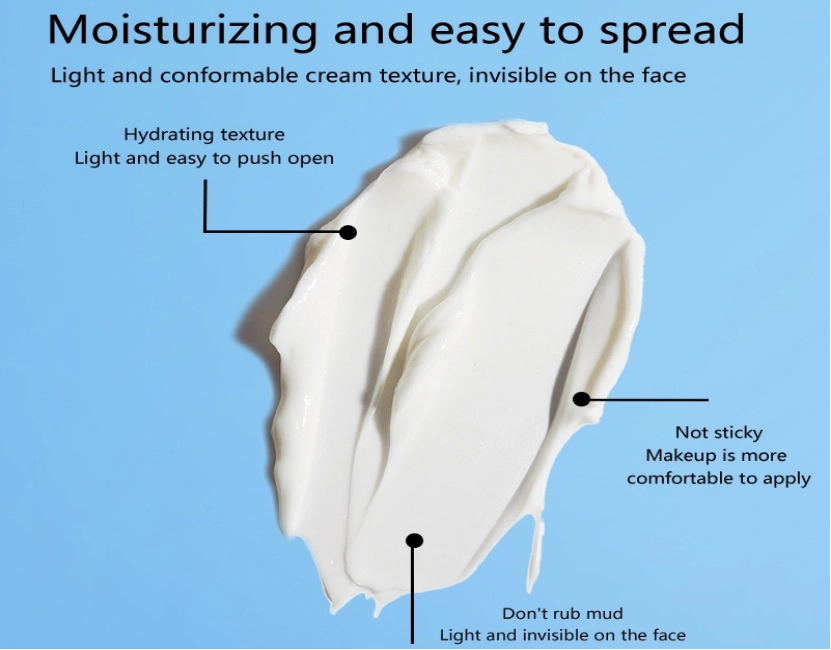
- تُوضع بسلاسة، دون ترك أي علامات بيضاء.
- يمتزج المظهر المتجانس جيدًا مع العلاجات أو المستحضرات أو طبقات الأساس.
- تحتوي العديد من الخلطات على مكونات مرطبة. وهي مناسبة للبشرة العادية إلى الخشنة.
ستحصلين في النهاية على واقي غير مرئي يدوم طوال اليوم. هذا المنتج مناسب للأشخاص الذين يفضلون سهولة الاستخدام والمظهر الأنيق في منتجات العناية بالبشرة.
نقاط يجب مراعاتها عند اختيار واقيات الشمس الكيميائية
واقيات الشمس الكيميائية توفر هذه المنتجات راحةً، لكنها قد تُسبب إزعاجًا لمن لديهم بشرة حساسة أو مليئة بالبثور. ويعود السبب في ذلك إلى بعض المكونات الرئيسية. انتظر من 15 إلى 20 دقيقة بعد وضع المنتج حتى يبدأ مفعوله. يجب أن تلتصق المكونات بالطبقات السطحية من الجلد. جدد المنتج بعد اللعب بالماء أو بذل مجهود بدني كبير. تتلف الفلاتر عند تعرضها لأشعة الشمس لفترات طويلة.
فهم واقيات الشمس الفيزيائية وآلية عملها الوقائية
تمتصّ الخلطات الكيميائية أشعة الشمس، بينما تعمل واقيات الشمس الفيزيائية بشكل مختلف. فهي تحجبها كالسياج، لا كالمنشفة.
كيف تعمل واقيات الشمس الفيزيائية
تستمد واقيات الشمس الفيزيائية، أو المعدنية، تركيبتها من مواد أرضية مثل أكسيد الزنك وثاني أكسيد التيتانيوم. تعمل هذه المواد على صد الأشعة فوق البنفسجية عن سطح الجلد، لتشكل حاجزًا واقيًا من الخارج لا من الداخل. وتتميز هذه الواقيات بفعاليتها الفورية، حيث يبدأ مفعولها على الفور دون أي تأخير.
فوائد واقيات الشمس الفيزيائية للبشرة الحساسة
واقيات الشمس الفيزيائية تتجنب هذه المنتجات ردود الفعل الداخلية للبشرة، لذا فهي لطيفة على البشرة الحساسة والدهنية والمعرضة للشوائب. كما أنها توفر حماية واسعة من الأشعة فوق البنفسجية بنوعيها UVA وUVB، وتتجنب انسداد المسام أو تهيج البشرة في أغلب الأحيان. وهذا يُعد ميزة قوية للبشرة سريعة الاستجابة أو التي تتعافى بعد استخدام منتجات العناية.
محددات واقيات الشمس الفيزيائية
تتضمن هذه الخلطات تكاليف:
- يمكنهم إظهار معطف أبيض ناصع على درجات الألوان الداكنة.
- الخلطات الضعيفة تبدو كثيفة أو متربة.
- يُترك التوزيع المتقطع بقعاً خالية من الشعر. يحتاج واقي الشمس إلى توزيع كامل ومتساوٍ على كامل المنطقة.
تُحسّن التطورات الحديثة من ملمس المنتج بشكل ملحوظ. فكري في المعادن المطحونة بدقة والأنواع المتوافقة مع لون البشرة. فهي تناسب أنواع البشرة المختلفة بشكل أفضل الآن.
مقارنة بين واقيات الشمس الكيميائية والفيزيائية: أيهما يناسب روتينك؟
إن اختيار المواد الكيميائية على المواد الفيزيائية لا يعتمد كثيراً على اختيارك الأول، بل يرتبط أكثر بأنماطك وأذواقك.
الاختلافات الرئيسية في التركيب والوظائف
| ميزة | واقي الشمس الكيميائي | واقي الشمس الفيزيائي |
| الآلية الرئيسية | يمتص الأشعة فوق البنفسجية | يعكس/ينثر الأشعة فوق البنفسجية |
| المكونات الفعالة | أفوبنزون، أوكسي بنزون | أكسيد الزنك، ثاني أكسيد التيتانيوم |
| وقت التفعيل | 15-20 دقيقة | مباشر |
| الملمس والتشطيب | خفيف الوزن، غير مرئي | أكثر سمكًا، وقد يترك طبقة |
| الأفضل لـ | البشرة العادية/الجافة | البشرة الحساسة/الدهنية |
تنزلق الأنواع الكيميائية إلى تركيبات البشرة المائية مع طبقات إضافية مثل الدهانات. أما الأنواع الفيزيائية فتُناسب من يبحثون عن حماية سريعة مع تقليل احتمالية حدوث تهيج.
الاختيار بناءً على نوع البشرة وعادات نمط الحياة
- البشرة الدهنية أو المعرضة لحب الشباب:واقيات الشمس الفيزيائية الرقيقة التي تحمل علامة "غير كوميدوغينيك" تمنع التوهجات.
- البشرة الجافة أو العادية:تساهم الخلطات الكيميائية الغنية بالماء في تسهيل الاستخدام لفترات طويلة.
- عشاق الأنشطة الخارجية:توفر المنتجات المختلطة المزودة بجزئي الحماية ثباتًا ممتازًا في ظروف الإضاءة القاسية أو أثناء اللعب.
حيث يلتقي الجمال بالعلم: نهج الدكتورة راشيل في ابتكار الحماية من الشمس
تتزايد أهمية العناية بالبشرة القائمة على العلم. تربط بعض العلامات التجارية بين تركيبات قوية ومعايير قابلة للتحقيق. تتصدر دكتور راشيل القائمة بمزيجها المتوازن من المكونات الطبيعية والتقنيات المخبرية.
دمج البحث مع الخبرة في مجال العناية بالبشرة
دكتور راشيل يجمع هذا المنتج بين أحدث تقنيات الوقاية من الشمس ومكونات مغذية للبشرة. يحتوي على فيتامينات مثل C و E بالإضافة إلى النياسيناميد، التي تحمي البشرة وتمنحها ملمساً ناعماً مع مرور الأيام. منذ عام ٢٠٠٨، ركزت الدكتورة راشيل على العناية بالبشرة المدعومة علمياً. نقدم نتائج واضحة ومثبتة من خلال خبرتنا في تركيب المكونات ومزجها.
تركيبات مبتكرة مصممة لأنماط الحياة العصرية
تتميز واقيات الشمس الرقيقة لدينا بتركيبة مناسبة للارتداء اليومي تحت الملابس، دون أي ملمس لزج. توفر تغطية واسعة تتغير بتغير الطقس. من المناطق الرطبة الحارة إلى المناطق الجافة تمامًا، تظل خاصية مقاومة الماء أساسية.
الالتزام بالحماية الآمنة والفعالة والشاملة من أشعة الشمس
تُوزّع منتجات دكتور راشيل في جميع أنحاء العالم وتُصدّر إلى أكثر من 130 دولة. نولي أهمية قصوى للتركيبات المختبرة من قبل أطباء الجلدية والمصممة لتناسب جميع ألوان وأنواع البشرة، مع مواصلة البحث عن طرق أفضل لدمج الفعالية مع الراحة.
نصائح لإدراج واقي الشمس في روتينك اليومي
أفضل واقي شمس لا يُظهر فعاليته إلا بالاستخدام الصحيح. يضمن الاستخدام المنتظم حماية بشرتك طوال اليوم.
بناء عادة فعالة للحماية من الشمس
ضعي واقي الشمس كخطوة أخيرة في الصباح بعد ترطيب البشرة وقبل وضع المكياج. استخدمي ملعقة صغيرة للوجه والرقبة معاً. كثيرون يستخدمون كمية قليلة جداً للحصول على الحماية الكافية من أشعة الشمس.
ممارسات إعادة التطبيق من أجل حماية دائمة
كرري ذلك كل ساعتين تحت أشعة الشمس، أو مباشرة بعد السباحة أو ممارسة التمارين الرياضية الشاقة. احتفظي بأنبوب غسيل صغير في حقيبتك. فهو يُسهّل عليكِ تناول الطعام وقت الظهيرة، سواء كنتِ جالسة على مكتبكِ أو تخرجين في نزهة لتناول الطعام.
استخدام واقي الشمس مع منتجات العناية بالبشرة الأخرى
ضعي السيروم الرطب أولاً. ثم وزعي واقي الشمس بالتساوي دون تكتل. هل تستخدمين المكياج بكثرة؟ ابحثي عن منتجات واقي الشمس ذات عامل حماية من الشمس على شكل طبقات أو بلمسة نهائية مسطحة. فهي تسهل وضع طبقات متعددة وتحافظ على الحماية كاملة طوال فترة الاستخدام.
الأسئلة الشائعة
Q1: ما هو الفرق الرئيسي بين واقي الشمس الكيميائي وواقي الشمس الفيزيائي؟
تمتص واقيات الشمس الكيميائية الأشعة فوق البنفسجية من خلال مرشحات عضوية؛ أما الواقيات الفيزيائية فتعكسها باستخدام معادن مثل أكسيد الزنك.
Q2: هل يمكنني خلط واقيات الشمس الكيميائية والفيزيائية معًا؟
نعم، تجمع التركيبات الهجينة بين الآليتين لتوفير تغطية محسّنة ضد أشعة UVA/UVB مع تحسين توازن الملمس.
Q3: هل استخدام واقي الشمس ضروري في الأماكن المغلقة؟
بالتأكيد؛ يمكن لأشعة UVA أن تخترق النوافذ، كما أن مصادر الإضاءة الاصطناعية تساهم في التعرض التراكمي الطفيف بمرور الوقت.
Q4: ما هي كمية واقي الشمس التي يجب أن أضعها؟
تكفي ملعقة صغيرة تقريبًا لتغطية الوجه والرقبة بشكل كافٍ؛ وقد يلزم استخدام كمية أكبر حسب مساحة الجسم المعرضة.
Q5: هل يعني ارتفاع عامل الحماية من الشمس (SPF) حماية مضاعفة؟
ليس تمامًا - عامل الحماية من الشمس 30 يحجب حوالي 97٪ من أشعة UVB بينما عامل الحماية من الشمس 50 يحجب حوالي 98٪، لذا فإن تكرار الاستخدام الصحيح أهم من العدد وحده.


