
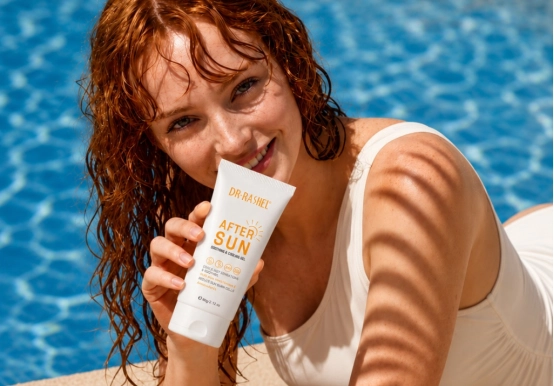
Sunscreen looks simple on a product brief. Pick SPF 50, choose a bottle and add a logo. The difficult work starts when the formula has to survive testing and shipping without losing its claims.
For a private-label launch, SPF and UVA performance need evidence. Texture must suit the climate. Packaging must protect the formula and carry the right information. A mistake can delay launch or force relabeling.
1. Why Sunscreen Development Is Different from Ordinary Skincare
A moisturizer can be judged mainly by feel and stability. Sunscreen carries a performance claim that consumers rely on. Protection depends on the complete formula, the applied amount and the film formed on skin.
SPF mainly describes protection against UVB-related erythema. UVA claims need separate evaluation. Heat, light and storage can change color, viscosity or dispensing. A sample that feels excellent on a cool bench may separate in a hot warehouse.
Test methods and label language vary between markets. A development partner should connect the formula, testing plan and documentation.
2. Define the Product Brief Before Requesting a Formula
Manufacturers make better recommendations when the brief describes the business problem, not just an ingredient wish list. “A non-greasy SPF 50” does not explain where the product will be sold or used.
Product brief checklist
- Target countries and sales channels
- Intended SPF level and UVA positioning
- Skin type and consumer age group
- Product format, such as lotion, gel, stick or fluid
- Finish, including matte, dewy, tinted or makeup-friendly
- Water-resistance requirement, if relevant
- Fragrance-free, vegan or sensitive-skin requirements
- Pack size, target retail price and estimated order quantity
- Shipping conditions and expected storage temperature
Consider a distributor in a humid coastal market. A rich cream may become oily on the shelf. A lightweight fluid may be the better choice.
3. SPF Testing: What Brands Need to Verify
SPF is not calculated reliably from the ingredient list. It is established through a recognized method that measures protection against UVB-induced redness. The applicable method depends on the destination market.
Testing should use a representative production formula. If the UV filter system, fragrance, color or emulsifier changes after testing, the result may no longer describe the product sold. Major packaging changes can create the same issue.
The laboratory report should identify the sample, batch and protocol. Keep it with the technical file.
Questions to ask about SPF testing
- Which test method applies to the target market?
- Is the laboratory qualified for that method?
- Does the tested sample match the intended commercial formula?
- What happens if the formula changes after testing?
- Which technical documents will be supplied with the final batch?
Do not treat a draft number as a finished claim. Put it on the label only after testing and review are complete.
4. UVA Claims, Broad-Spectrum Protection and Consumer Communication
UVA exposure is associated with tanning, uneven pigmentation and photoaging. It is not the same measurement as SPF. A high-SPF sunscreen still needs separate evidence for its UVA statement.
Buyers may encounter UVA-PF, PPD, critical wavelength, PA ratings or a broad-spectrum designation. These terms are not interchangeable. The claim must match the test method and local labeling rules.
How to communicate responsibly
Use wording that the evidence supports. “Tested SPF protection” is clearer than a promise of total protection. “Helps protect skin from UVA and UVB” may be appropriate where testing supports it.
5. Formula Stability and Compatibility Testing
Protection claims are useful only when the product remains usable through its shelf life. A development plan should examine photostability, heat and cold exposure, freeze–thaw cycles and microbiological safety.
Track viscosity, odor, color and pump output. They can reveal trouble before visible separation. Compatibility matters because a formula can stress a seal or clog a narrow actuator.
Imagine cartons moving from a cool factory into a truck parked in summer heat. Samples should be checked under conditions that resemble that route. A room-temperature report leaves a useful gap.
6. Packaging Considerations for Private Label Sunscreen
Packaging has two jobs: deliver the right amount and preserve the formula until use.
Match the package to the formula
Opaque or UV-protective materials can help light-sensitive systems. Tubes suit portable creams and lotions. Airless pumps support controlled dosing. Fluid formulas need closures that resist leakage in transit.
Stick di protezione solare suit targeted reapplication around the nose or cheekbones. They create different filling and stability challenges. Test the actual component with the final formula.
Check commercial and regulatory details
Leave printable space for the INCI list, net content, batch number, expiry or period-after-opening information, responsible company details and market-specific warnings. Confirm that artwork can be revised without replacing components.
Recyclability and shipping durability deserve equal attention. A thin wall can create dented tubes during export. These are engineering decisions, not decoration.
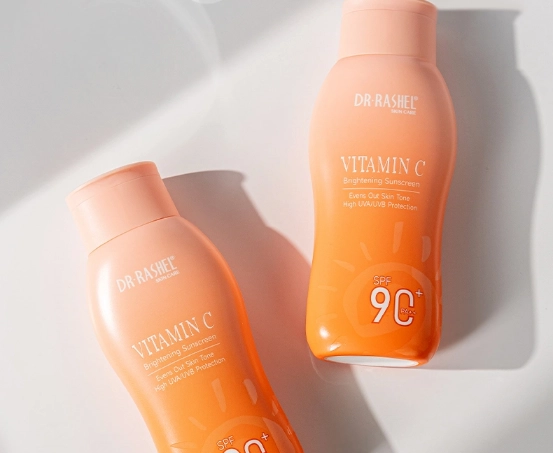
7. A Reliable Private Label Sunscreen Production Workflow
The workflow should have clear approval points:
- Product brief and target-market review
- Formula recommendation or customization
- Laboratory sample development
- Texture and usability feedback
- SPF, UVA and stability testing
- Packaging selection and compatibility checks
- Artwork and label review
- Pilot or pre-production batch
- Quality inspection and batch release
- Bulk production and export preparation
Keep a change log. Altering a filter, tint or package after testing can trigger another review. This prevents the approved report from describing version A while cartons contain version B.
8. How to Choose a Private Label Sunscreen Manufacturer
Look for sun-care experience rather than a promise to “make any cosmetic.” Ask how samples are documented, how reports are linked to batches and who reviews the label.
Check MOQ, lead time, packaging options and communication during revisions. A low quotation becomes expensive when a pump leaks or labels need reprinting. Clear responsibility reduces handoff gaps.
Domande frequenti
Q: How long does private-label sunscreen development take?
The timeline depends on customization, testing, packaging availability and market requirements. Existing formulas can move faster. New textures or claim packages need more time.
Q: Can I use the same sunscreen formula in every country?
Not necessarily. UV filters, test methods, claim language and labeling rules can differ. Review each market before promising one global label.
Q: Does a high SPF automatically mean stronger UVA protection?
No. SPF mainly addresses UVB performance. UVA protection needs separate evidence and communication. Review both parts of the claim.
Q: Can sunscreen packaging affect product performance?
Yes. Light, oxygen, dispensing and material compatibility can change stability or user experience. Test the final formula in the final package.
Start Your Private Label Sunscreen Project with Dr. Rashel
A dependable launch connects formula design with SPF and UVA testing, stability work, packaging and documentation. Dr. Rashel supports private-label skincare development across product and packaging requirements. Contatta la dottoressa Rashel and send a brief. Include the target market, SPF goal, texture, package format and estimated quantity so the next discussion starts with workable specifications.

