

يبدو ممر واقي الشمس بسيطًا من بعيد. لكن عندها تبدأ الخيارات: كريم، عصا، بخاخ، عامل حماية من الشمس 30، عامل حماية من الشمس 50، للوجه، للجسم، للرياضة، شفاف. لا يقتصر الأمر على شكل العبوة فحسب، بل يؤثر أيضًا على طريقة استخدام الناس لواقي الشمس، وكميته، وما إذا كانوا يعيدون استخدامه أم لا.
الكريم الذي يُترك في المنزل لا يُجدي نفعاً خلال فترة ما بعد الظهيرة الطويلة في الخارج. البخاخ الذي يُستخدم بسرعة كبيرة قد لا يُغطي نصف الكتف. مسحة واحدة من العصا على الأنف قد لا تكون كافية على الأرجح.
يعتمد تنسيق SPF الأفضل على المهمة.
ما الفرق بين واقي الشمس الصلب، والبخاخ، والكريم؟
تحمي جميع الأنواع الثلاثة البشرة المعرضة للأشعة فوق البنفسجية. والفرق يكمن في طريقة التوصيل.
| تنسيق SPF | الأفضل لـ | الميزة الرئيسية | القيد الرئيسي |
| كريم واقي من الشمس | الاستخدام اليومي للوجه والجسم | تطبيق متحكم به ومتساوٍ | قد تشعر بثقل |
| عصا واقي الشمس | الوجه، مناطق صغيرة، لمسات نهائية | محمول ولا يسبب فوضى | غير مناسب للمساحات الكبيرة |
| بخاخ واقي من الشمس | جسم، للاستخدام الخارجي | سريع ومريح | من السهل وضع كمية غير كافية. |
يُوفر الكريم تحكمًا أكبر، إذ ينتشر بسهولة على البشرة، مما يُسهّل ملاحظة المناطق التي لم تُغطَّى. أما واقي الشمس الصلب، فهو أنسب للمناطق الصغيرة: الأنف، الخدين، الأذنين، الجبهة، ومقدمة الشعر. بينما يُعدّ واقي الشمس الرذاذ سريعًا وفعّالًا للجسم، خاصةً عند التواجد في الهواء الطلق.
المقايضة بسيطة. فكلما كان واقي الشمس أسرع، كلما كان من الأسهل وضعه بشكل خاطئ.
أي صيغة من صيغ SPF توفر التغطية الأكثر موثوقية؟
يُعد الكريم عادةً الخيار الأمثل لتغطية كاملة. ليس لأنه أقوى دائمًا، بل لأنه أسهل في الاستخدام. يمكنكِ رؤية الطبقة، وتوزيعها، والشعور بما إذا كانت الرقبة أو الأذنان قد غُطّيت.
يمكن أن يكون واقي الشمس الصلب فعالاً، ولكن بشرط تكرار وضعه عدة مرات. مسحة واحدة غير كافية، لذا يُفضل تمريره عدة مرات ببطء على نفس المنطقة.
يُعدّ واقي الشمس الرذاذي مريحاً، لكن استخدامه يتطلب بعض الانضباط. فالرياح والمسافة والزاوية كلها عوامل مهمة. وقد يُشعرك الرذاذ الخفيف بالحماية حتى لو كانت الطبقة رقيقة جداً.
طريقة عملية لمقارنتهما:
- كريم:الأفضل للحصول على طبقة أساسية كاملة ومتساوية.
- يلزق:الأفضل للمساحات الصغيرة والتعديلات الطفيفة.
- رذاذ:الأفضل للاستخدام السريع على الجسم، إذا تم رشه بسخاء وفركه.
أما بالنسبة للحماية اليومية، فلا يزال الكريم هو الأفضل من حيث التحكم.
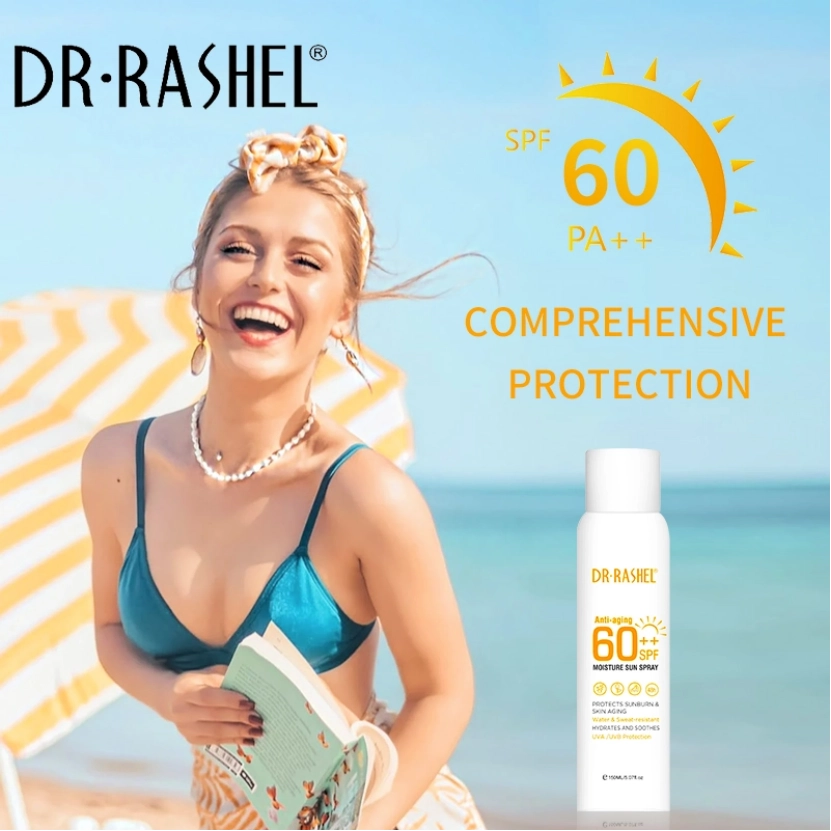
ما هو أفضل نوع من واقي الشمس للاستخدام اليومي على الوجه؟
يجب أن يوضع واقي الشمس للوجه فوق منتجات العناية بالبشرة، وأن يكون مناسباً للاستخدام تحت المكياج، وأن يتجنب التكتل، وأن يبقى مريحاً طوال اليوم.
وهنا عادةً ما ينقسم الكريم والعصا إلى أدوار مختلفة.
كريم واقي من الشمس لروتين صباحي متكامل
يُعدّ كريم الوقاية من الشمس الخطوة الأخيرة المثالية في روتين العناية بالبشرة الصباحي. يُوضع مباشرةً بعد المرطب وقبل وضع أي مكياج. بفضل تركيبته، يُصبح تغطية الوجه والرقبة والأذنين بالتساوي أسهل بكثير.
لا ينبغي أن يسبب الكريم عالي الجودة شعوراً بالاختناق. فإذا كان قوامه لزجاً أو دهنياً أو ثقيلاً للغاية، فسيتوقف المستخدمون عن استخدامه.
الكريم مناسب لـ:
- تطبيق كامل للوجه في الصباح
- تغطية الرقبة والصدر
- البشرة الجافة أو العادية
- تحضير المكياج، إذا كانت النتيجة النهائية ناعمة
بالنسبة للبشرة الدهنية، عادة ما يكون الكريم الخفيف أو الكريم الجل أكثر ملاءمة من التركيبة الغنية.
قلم واقي من الشمس للمسات سريعة وللمناطق الصغيرة
يُعدّ واقي الشمس على شكل عصا خيارًا ممتازًا كمنتج موثوق به للاستخدام النهاري. فهو سهل الحمل، ومن الصعب جدًا أن ينسكب. كما أنه مفيد عندما لا تكون يداك نظيفتين بما يكفي لوضع الكريم.
يُعطي هذا المنتج نتائج رائعة على المناطق المكشوفة التي تتعرض لأشعة الشمس بسرعة، مثل الأنف والخدين والجبهة والأذنين وخط الفك. كما أنه عملي للغاية أثناء التنقلات اليومية، ويُناسب استخدامه بعد الغداء أو قبل نزهة قصيرة في الهواء الطلق.
الخطأ الشائع هو التعامل معه تمامًا كقلم التحديد. خط واحد على الجلد غير كافٍ على الإطلاق. استخدم عدة طبقات. ثم امزج المنتج بعناية إذا بدت الطبقة غير متساوية.
أي نوع من أنواع واقي الشمس (SPF) هو الأفضل للأنشطة الخارجية وإعادة الاستخدام؟
يختلف استخدام المنتج في الهواء الطلق عن استخدامه في الحمام صباحًا. فالعرق والماء والمناشف والحرارة والوقت كلها عوامل تُضعف طبقة الحماية. لذا، يصبح إعادة وضع المنتج جزءًا من الروتين اليومي.
في الأيام التي نقضيها في الهواء الطلق، غالباً ما يكون استخدام العصا أو البخاخ أكثر واقعية من الكريم. يُفيد البخاخ في تغطية الذراعين والساقين والكتفين والظهر، بينما تُعدّ العصا أفضل للوجه.
المشاهد الشائعة تجعل الاختيار واضحاً:
- يوم على الشاطئ: استخدمي الرذاذ لمناطق الجسم، والعصا للوجه.
- أثناء المشي لمسافات طويلة: استخدمي عصا لإجراء تعديلات سريعة دون تلطيخ اليدين.
- الرياضة: عصا مناسبة للمناطق العالية المعرضة للتعرق.
- الاستخدام العائلي: يمكن للرذاذ أن يوفر الوقت، ولكن لا يزال من الضروري التحقق من التغطية.
رشة سريعة لمدة ثانيتين لا تكفي. مسحة واحدة على بشرة متعرقة لا تكفي أيضاً. واقي الشمس يحتاج إلى طبقة سميكة.
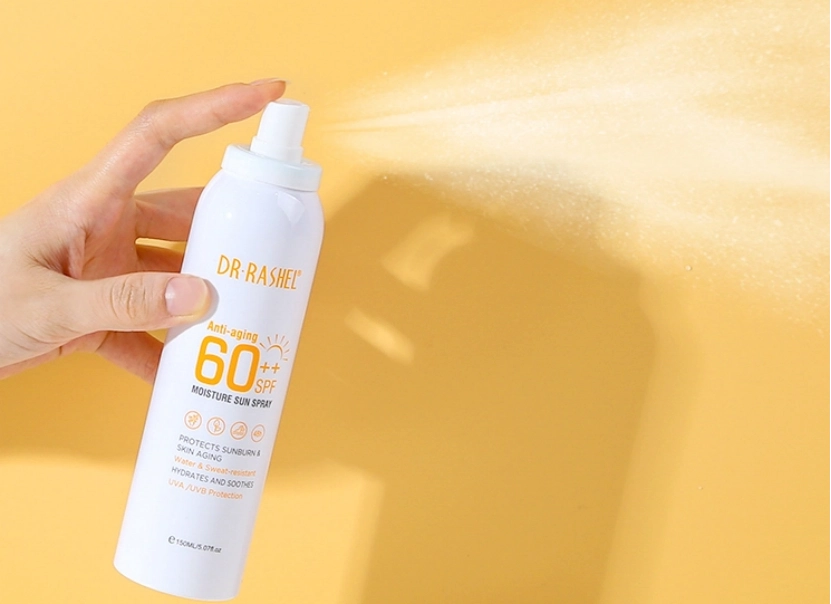
ما هو أفضل نوع من واقي الشمس لنوع بشرتك وأسلوب حياتك؟
أفضل طريقة للعناية بالبشرة تعتمد جزئياً على نوع البشرة، وجزئياً على العادات. فاستخدام واقي شمس مثالي لا يُستغنى عنه أبداً ليس مفيداً.
للبشرة الدهنية أو المعرضة لحب الشباب
عادةً ما تفضل البشرة الدهنية أو المعرضة لحب الشباب القوام الخفيف. قد تشعر البشرة بالدهنية عند استخدام الكريمات الثقيلة، خاصةً في الطقس الرطب.
بحث:
- تشطيب خفيف الوزن
- ملمس غير دهني
- مريح للارتداء تحت المكياج
- لا يترك بقايا ثقيلة
يمكن أن يساعد واقي الشمس الصلب في إعادة وضعه، ولكن قد يكون ملمس بعض أنواع البلسم شمعيًا.
للبشرة الجافة
غالباً ما تستفيد البشرة الجافة من واقي الشمس الكريمي. كما أن قوام الكريم قد يكون أكثر راحة، خاصة بعد استخدام المرطب.
يمكن للمكونات المرطبة مثل حمض الهيالورونيك والجلسرين والسيراميدات أن تجعل واقي الشمس أقرب إلى منتجات العناية بالبشرة. كما يمكن استخدام قلم واقي الشمس لاحقًا على الأنف والأذنين وعظام الخدين.
لأنماط الحياة المزدحمة، أو السفر، أو الأنشطة الخارجية
في الأيام المزدحمة، سهولة الحمل مهمة. واقي الشمس على شكل عصا سهل الحمل في الحقيبة، ولا يتسرب، ومناسب للاستخدام قبل نزهة الغداء أو بعد التمرين.
يُعدّ الرذاذ خيارًا أفضل لتغطية مساحات واسعة من الجسم بسرعة. تقلّ فعاليته في وجود الرياح، ولكنه يُجدي نفعًا عند استخدامه ببطء وتدليكه جيدًا.
الطريقة الأكثر عملية هي استخدام الكريم في المنزل، أو اللاصق أو الرذاذ في الخارج.
كيف يجب عليك استخدام كل نوع من أنواع واقي الشمس بشكل صحيح؟
يحدد التطبيق ما إذا كان تنسيق SPF يعمل أم لا.
- يُستخدم كخطوة أخيرة في روتين العناية بالبشرة الصباحي.
- قم بتغطية الوجه والرقبة والأذنين والمناطق المكشوفة.
- وزّع بالتساوي.
- اتركيه يجف قبل وضع المكياج.
- مرري عدة مرات فوق كل منطقة.
- ركزي على الأنف والخدين والجبهة والأذنين وخط الشعر.
- امزج برفق إذا لزم الأمر.
- لا تعتمد على تمريرة ضوئية واحدة.
- رش بسخاء.
- أمسك الزجاجة بالقرب من الجلد بما يكفي للوصول إليه.
- افركيه بعد الرش.
- تجنب رش المنتج مباشرة على الوجه.
إن الاستخدام غير الدقيق هو سبب فشل واقي الشمس الجيد.
واقي الشمس الصلب مقابل البخاخ مقابل الكريم: أيهما يجب أن تختار؟
يُعد الكريم أفضل أساس لمعظم الأشخاص، فهو يمنح تحكمًا أفضل وتغطية يومية متساوية. أما القلم فهو الأنسب للتعديلات السريعة، فهو سهل الحمل ونظيف ومناسب للمناطق الصغيرة المكشوفة. بينما يُعد البخاخ الأفضل لتطبيق سريع على الجسم، خاصةً في الهواء الطلق، ولكنه يتطلب عناية أكبر من المعتاد.
تبدأ حماية بشرتك باختيار نوع واقي الشمس الذي ستستخدمينه يوميًا. سواء كنتِ تفضلين الكريم لروتينك الصباحي، أو العصا لتسهيل إعادة وضع الواقي، أو الرذاذ لتغطية سريعة للجسم، فإن منتجات دكتور راشيل تجعل الحماية اليومية من أشعة الشمس سهلة ومريحة وفعالة.
اعثري على واقي الشمس الذي يناسب بشرتكِ وأسلوب حياتكِ وروتينكِ اليومي مع دكتور راشيل.
الأسئلة الشائعة حول واقي الشمس على شكل عصا وبخاخ وكريم
س: هل يمكن استبدال كريم واقي الشمس بعصا واقي الشمس؟
نعم، أحياناً. فهو فعال للمناطق الصغيرة ويسهل إعادة وضعه بسرعة. مع ذلك، يُعد الكريم عادةً أفضل لتكوين طبقة كاملة ومتماسكة في الصباح.
س: هل يكفي رذاذ واقي الشمس لحماية الجسم بالكامل؟
نعم، يكفي استخدامه بكمية وفيرة وتدليكه جيداً. أما الرش الخفيف جداً فلا يكفي.
س: ما هو أفضل واقي شمس يمكن إعادة وضعه فوق المكياج؟
غالباً ما يكون استخدام العصا أسهل بكثير في التحكم بدقة حول الأنف والخدين ومنطقة الجبهة.
س: هل يجب عليّ استخدام أنواع مختلفة من واقي الشمس معاً؟
بالتأكيد. استخدام الكريم كطبقة أساسية أولية، والقلم لإجراء تعديلات دقيقة، والرذاذ لإعادة وضع المكياج على كامل الجسم، يخلق مزيجًا عمليًا للغاية.


