
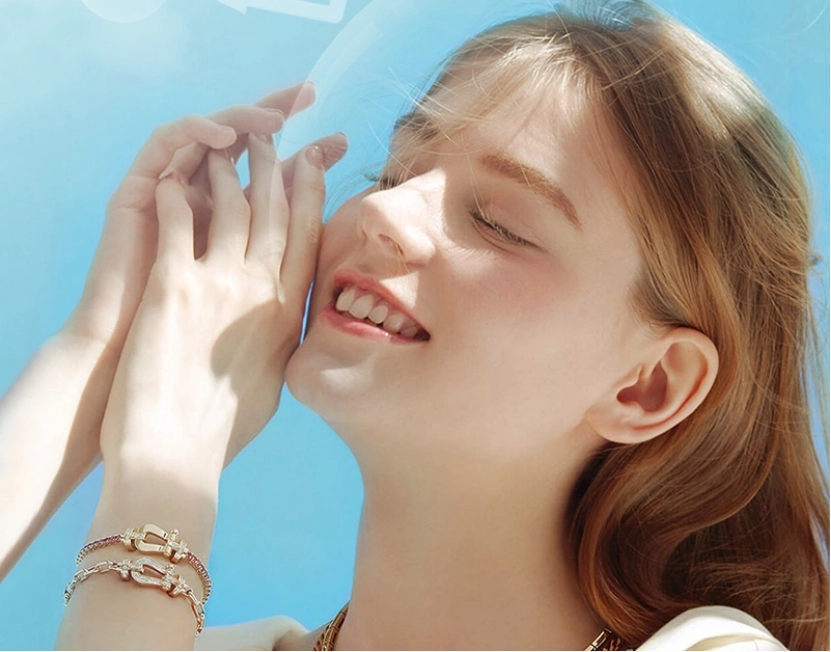
لا تكتسب البشرة الصحية بين ليلة وضحاها، بل تُبنى بالعناية المستمرة والحماية المناسبة. ومن بين أهم منتجات العناية بالبشرة، يأتي واقي الشمس في مقدمة الأولويات، رغم أن الكثيرين يتجاهلونه. فمجرد استخدامه يوميًا يفصل بين البشرة القوية والنضرة وبين علامات الشيخوخة المبكرة. واقي شمسي لا تقتصر أهمية العناية بالبشرة على الطقس الدافئ فحسب، بل هي التزام مستمر بالحفاظ على صحة بشرتك ونضارتها.
لماذا يُعدّ واقي الشمس خطوة أساسية في كل روتين؟
باستخدام واقي الشمس بانتظام، تحمي بشرتك من الحروق، وشيخوخة البشرة الناتجة عن الشمس، وتلف الخلايا الدائم. عند استخدامه بالطريقة الصحيحة، يُشكّل طبقة واقية غير مرئية، تحجب الأشعة الضارة التي تُتلف الكولاجين وتُسبب تفاوت لون البشرة. كما يُعزز واقي الشمس فعالية منتجات العناية بالبشرة الأخرى، إذ يمنع الأشعة فوق البنفسجية من إتلافها. فبدون واقي الشمس، تفقد أفضل أنواع السيرومات والكريمات فعاليتها، لأن التعرض للأشعة فوق البنفسجية يُبدد فوائدها.
تساهم العادات اليومية في منع ظهور البقع الداكنة وتعزيز صحة البشرة بشكل عام، كما تحافظ على نعومتها. ويؤكد خبراء صحة البشرة على ضرورة استخدام واقي الشمس يومياً، وليس فقط في الأيام المشمسة، لأن الأشعة فوق البنفسجية تخترق الغيوم والزجاج، لذا فأنتِ بحاجة إلى الحماية حتى في الأماكن المغلقة.
العلم وراء الأشعة فوق البنفسجية وتلف الجلد
تخترق أشعة UVA طبقات الجلد الداخلية بعمق، مما يُسرّع ظهور التجاعيد ويُقلّل من مرونة الجلد. أما أشعة UVB فتُصيب الطبقات الخارجية بشكل رئيسي، مُسببةً حروق الشمس واحمرار الجلد. كلا النوعين يُسبّبان إجهادًا يُضرّ بالجينات ويُضعف الجلد مع مرور الوقت.
تعرف على عامل الحماية من الشمس (SPF) لتحديد وقت التعرض الآمن للشمس دون حروق، مقارنةً بعدم استخدام أي حماية. استخدم واقي شمس بعامل حماية 30، فهو يحجب حوالي 97% من أشعة UVB. عامل حماية من الشمس 50 يتوقف بنسبة 98% تقريبًا. هذه الفجوة الصغيرة تقلل الضرر الإجمالي بشكل كبير على مدى سنوات عديدة.
دمج واقي الشمس في روتين العناية بالبشرة الشامل
اجعلي واقي الشمس جزءاً من روتينك الصباحي. ضعيه بعد الكريم المرطب وقبل وضع المكياج. هذه الطريقة تحافظ على ترطيب البشرة، وفي الوقت نفسه توفر لها الحماية من الأوساخ وأشعة الشمس الخارجية.
كيف يُكمّل واقي الشمس منتجات العناية بالبشرة الأخرى
يتناسب واقي الشمس جيداً مع منتجاتك الأخرى. فهو يعمل معها بشكل متكامل.
- فهو يحافظ على رطوبة المستحضرات أو العلاجات بطبقة علوية.
- يمنع هذا المنتج الأشعة فوق البنفسجية من تكسير المكونات الأساسية مثل فيتامين سي أو الريتينول، وبالتالي، تؤدي هذه المكونات وظيفتها على أكمل وجه.
- الاستخدام المنتظم يحافظ على نعومة البشرة ويجعلها تبدو شابة مع مرور الوقت.
استخدميه مع منتجات مقاومة للتلف أو مرطبة. ثم يُكمل واقي الشمس عملية العناية بالبشرة. هذا يُقوّي جدار البشرة ويُحسّن لونها ونضارتها.
الاختيار بين واقيات الشمس الكيميائية والفيزيائية
اختر بين الأنواع الكيميائية والفيزيائية بناءً على ما تفضله، وعاداتك اليومية، وردود فعل بشرتك.
الخصائص الرئيسية للواقيات الشمسية الكيميائية
تمتص واقيات الشمس الكيميائية الأشعة فوق البنفسجية بفضل مكونات مثل أفوبنزون وأوكسي بنزون، حيث تحول الضوء إلى حرارة، ثم تسمح بخروجها من الجلد. تتميز هذه الواقيات بخفتها، مما يجعلها مناسبة للاستخدام اليومي أو كأساس للمكياج، دون أن تترك أي أثر أو علامات.
الخصائص الرئيسية للواقيات الشمسية الفيزيائية (المعدنية)
تستخدم واقيات الشمس الفيزيائية معادن مثل أكسيد الزنك أو ثاني أكسيد التيتانيوم، حيث تعكس الأشعة فوق البنفسجية عن الجلد دون امتصاصها. ينصح بها الأطباء للبشرة الحساسة أو المعرضة للحبوب، فهي لطيفة على البشرة وتقلل من احتمالية ظهور الاحمرار أو الحكة.
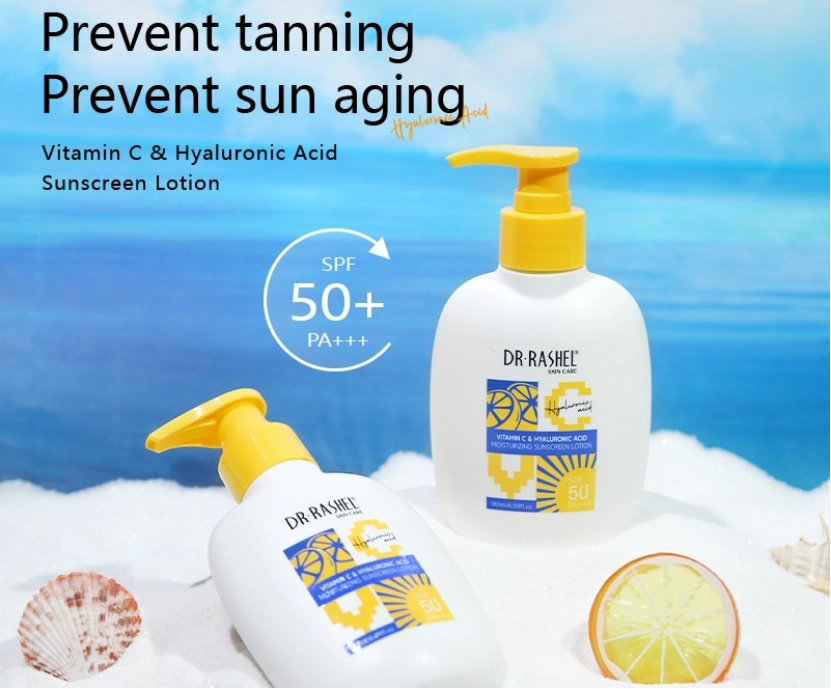
حيث يلتقي الجمال بالعلم: نهج الدكتورة راشيل للحماية من الشمس
تُظهر التحولات من الطرق التقليدية إلى واقيات الشمس الجديدة متعددة الاستخدامات كيف تمتزج الحقائق مع التطورات الجمالية الحالية.
الفلسفة الكامنة وراء ابتكارات د. راشيل في مجال العناية بالبشرة
دكتور راشيل يمزج هذا المنتج بين البحث المعمق وأفكار التصميم الجذابة. يصنعون واقيات شمس تحمي البشرة وتعتني بها. تهدف تركيباتهم إلى تحقيق فوائد متعددة، فهي تجمع بين الترطيب والتغذية والسلامة في منتج واحد. يناسب هذا المنتج جميع فصول السنة.
تسليط الضوء على حلول د. راشيل للوقاية من الشمس
تركيبات واسعة النطاق للدفاع اليومي
توفر واقيات الشمس واسعة الطيف من دكتور راشيل حماية من أشعة UVA وUVB، وتغطي بشرتك طوال اليوم. ملمسها الخفيف يمنحكِ شعوراً بالراحة، فلا تترك أي أثر لزج أو علامات بيضاء، مما يُسهّل وضع المكياج فوقها.
غني بمكونات محبة للبشرة
تحتوي كل تركيبة على مكونات فعّالة مثل فيتامين E ومرطبات مثل حمض الهيالورونيك. تعمل هذه المكونات على تعزيز قوة البشرة على المدى الطويل، وتساعد على منحها ملمساً ناعماً والحفاظ على نضارتها حتى بعد التعرض الطويل لأشعة الشمس.
الخرافات الشائعة حول واقي الشمس وتوضيح المفاهيم الخاطئة
حتى مع وجود المزيد من المعرفة حول العناية بالشمس، لا تزال الأفكار الخاطئة قائمة حول آلية عمل واقي الشمس.
دحض المفاهيم الخاطئة الشائعة حول استخدام عامل الحماية من الشمس
يعتقد الكثيرون أن عامل الحماية العالي من الشمس يعني تغطية كاملة طوال اليوم. لكن يجب إضافة المزيد كل ساعتين، أو مباشرة بعد التعرق أو اللعب بالماء. لا يوجد نوع يدوم للأبد على البشرة المتحركة.
يقول البعض إن الغرف الداخلية تبقى آمنة. ومع ذلك، فإن أشعة UVA تخترق الزجاج، كما أنها ترتد عن الشاشات.
غالباً ما يشعر أصحاب البشرة الداكنة بالأمان من أضرار الشمس، لكن لون البشرة الطبيعي لا يحجب سوى بعض الأشعة. لذا، لا يزال من الضروري استخدام واقي الشمس بانتظام لتجنب ظهور البقع الداكنة والتجاعيد المبكرة. وينطبق هذا على جميع درجات البشرة.
تقنيات التطبيق الصحيحة لتحقيق الحماية المثلى
الأساليب الصحيحة توفر أفضل حماية.
- ضعي واقي الشمس قبل الخروج بـ 15-20 دقيقة. هذا يمنحه الوقت الكافي لامتصاصه، خاصةً الأنواع الكيميائية.
- استخدمي حوالي ملعقة صغيرة للوجه والرقبة. كثيرون يستخدمون كمية قليلة جدًا، مما يقلل من فعالية عامل الحماية من الشمس.
- أضف المزيد كل ساعتين. افعل ذلك مباشرة بعد شرب الماء، أو التجفيف، أو التعرق الشديد.
إليكم ملاحظة سريعة يغفل عنها الكثيرون: غطوا الأذنين والجفون والشفاه بكريم واقٍ من الشمس، وكذلك ظهر اليدين. تظهر عليها علامات التقدم في السن بشكل أسرع نتيجة التعرض المتكرر لأشعة الشمس.
الفوائد طويلة المدى للاستخدام المنتظم لواقي الشمس
لا يقتصر دور واقي الشمس على منع الحروق السريعة فحسب، بل إنه يساعد على صحة البشرة العميقة على المدى الطويل.
الوقاية من الشيخوخة المبكرة واضطرابات الجلد
يُقلل الاستخدام المنتظم من ظهور الخطوط الدقيقة والتجاعيد والبقع البنية والخشونة الناتجة عن التعرض لأشعة الشمس. تتراكم هذه الآثار على مر السنين نتيجة التعرض لأشعة الشمس. كما يُقلل من احتمالية الإصابة بمشاكل مزمنة مثل الكلف أو التقرن السفعي، وكلاهما يرتبط ارتباطًا مباشرًا بأضرار الأشعة فوق البنفسجية المستمرة.
دعم صحة البشرة بشكل عام من خلال عادات الحماية اليومية
واظبي على استخدام واقي الشمس يومياً. فهو يمنح البشرة لوناً موحداً، ويحافظ على مرونتها، ويعزز فعالية مستحضرات مكافحة الشيخوخة. وهذا بدوره يحافظ على الكولاجين مع مرور الوقت. اعتبري واقي الشمس جزءاً من روتين العناية الوقائية، وليس مجرد علاج لاحق. فهو يحافظ على ما تبنيه بشرتكِ من خلال روتين العناية الليلية.
كيفية اختيار واقي الشمس المناسب لنوع بشرتك مع منتجات دكتور راشيل
ابدئي باختيار منتجات العناية بالبشرة بناءً على نوع بشرتك واحتياجاتها اليومية. لا تتبعي الصيحات الرائجة.
تحديد الاحتياجات الفريدة لبشرتك قبل اختيار التركيبة
البشرة اللامعة تُفضل الجل المُضاد للمعان، فهو يمنع انسداد المسام. أما البشرة الجافة أو الحساسة فتحتاج إلى منتجات مرطبة تحتوي على الصبار أو حمض الهيالورونيك، فهي تُهدئ البشرة أثناء الاستخدام.
| نوع البشرة | الملمس الموصى به | المكونات الرئيسية |
| البشرة الدهنية/المختلطة | جل خفيف الوزن | نياسيناميد |
| جاف/حساس | لوشن كريمي | الألو فيرا, حمض الهيالورونيك |
| طبيعي | مستحلب سائل | فيتامين سي |
مواءمة عوامل نمط الحياة مع مستويات الحماية من الشمس المناسبة
روتينك اليومي يحدد أفضل مستوى للقوة.
- قد لا تحتاج الوظائف المكتبية إلا إلى عامل حماية من الشمس 30.
- أما من يخرجون للعمل أو الرحلات، فيختارون واقي الشمس بعامل حماية 50+.
- يختار الرياضيون النشطون الأنواع المقاومة للماء. فهي تتحمل العرق أو الهواء الرطب.
في النهاية، يبقى واقي الشمس أساسياً. إنه نوع من العناية الذاتية البسيطة المبنية على الحقائق. ومع ذلك، يمكنك جعله خطوة يومية بسيطة.
الأسئلة الشائعة
Q1: كم مرة يجب عليّ إعادة وضع واقي الشمس أثناء الأنشطة الخارجية؟
كل ساعتين أو مباشرة بعد السباحة أو التعرق الشديد.
Q2: هل يمكنني الاستغناء عن واقي الشمس إذا كان كريم الأساس الذي أستخدمه يحتوي على عامل حماية من الشمس (SPF)؟
لا؛ عادةً ما يوفر المكياج تغطية غير كافية مقارنةً بواقيات الشمس المخصصة.
Q3: هل واقي الشمس الفيزيائي أفضل من واقي الشمس الكيميائي؟
لا يوجد خيار أفضل بشكل عام، فالأمر يعتمد على نوع بشرتك أو تفضيلك للملمس أو مستوى الحساسية.
Q4: هل أحتاج إلى واقي من الشمس في الأماكن المغلقة؟
نعم؛ تخترق أشعة UVA النوافذ مسببة أضراراً بطيئة ولكنها تراكمية حتى داخل المباني.
Q5: ماذا سيحدث إذا توقفت عن استخدام واقي الشمس بانتظام؟
تصبح البشرة أكثر عرضة لعلامات الشيخوخة المبكرة مثل التجاعيد والبقع الداكنة وعدم توحد لون البشرة، بالإضافة إلى زيادة خطر الإصابة بأضرار طويلة الأمد نتيجة التعرض للأشعة فوق البنفسجية.


