
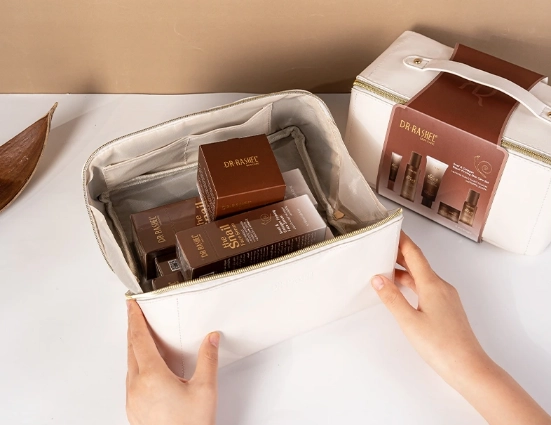
Snail mucin, PDRN and collagen often appear in the same corner of the skincare market. Their practical roles are not interchangeable. Snail mucin is usually chosen for hydration and barrier support. PDRN sits in the newer revitalizing category. Topical collagen mainly improves moisture and surface feel.
Snail Mucin vs PDRN vs Collagen at a Glance
Each ingredient has a primary job, even when the finished formula makes several claims.
| 成分 | Primary Skincare Role | Best Suited For | Common Product Formats |
| Snail mucin | Hydration, soothing care and barrier support | Dry, dehydrated or stressed looking skin | Essence, serum, cream or cleanser |
| 多聚脱氧核糖核苷酸 | Skin conditioning and revitalizing care | Dull or compromised looking skin | Serum, ampoule or mask |
| 胶原蛋白 | Surface hydration and a smoother, plumper appearance | Dry skin or visible loss of suppleness | Cream, serum or mask |
The front label ingredient is only one variable. Concentration and the base formula matter too. A modest hero ingredient in a good moisturizer can outperform a dramatic ampoule that leaves skin tight.
What Does Snail Mucin Do in Skincare?
Snail mucin is a filtered secretion used as a skin conditioning ingredient. It can make dry skin feel comfortable without a thick, waxy finish.
Hydration and Barrier Support
Snail mucin formulas focus on water retention and a smoother surface. Many combine it with humectants or emollients. This pairing can help when the face feels tight after cleansing or rough after time in air conditioned rooms.
It is not a medical repair agent. Its daily role is supportive: skin feels less parched and dehydration lines may look softer.
Who May Prefer Snail Mucin?
Dry and dehydrated skin often responds well to a snail essence or serum. It can also suit combination skin that rejects heavy cream. A thin product adds water without coating the whole face in balm.
Anyone with reactive skin should patch test a new formula.
What Is PDRN’s Role in Skincare?
PDRN stands for polydeoxyribonucleotide. It moved from specialist beauty conversations into serums and masks quickly. That popularity has blurred the line between cosmetics and clinical procedures.
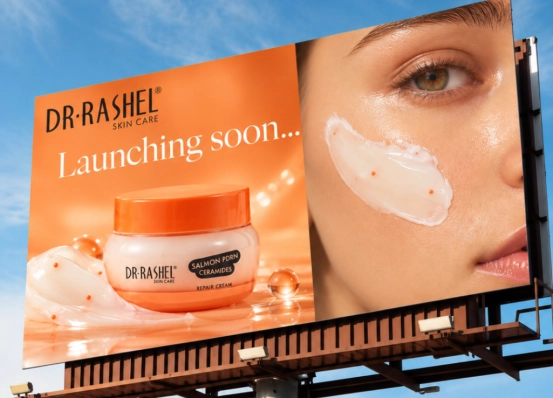
A Newer Skin Revitalizing Ingredient
In topical skincare, PDRN is a conditioning ingredient used in revitalizing formulas. Supporting ingredients may include glycerin or hyaluronic acid. Visible improvement can come from the complete hydrating system, not PDRN alone.
A PDRN serum is not equivalent to an injectable treatment. Medical use results cannot simply be transferred to a bottle used at home. Claims such as “DNA repair” go beyond what a cosmetic product should promise. The PDRN skincare guide covers formats and buying checks.
Who May Consider PDRN Skincare?
PDRN may interest people whose skin looks dull or temporarily stressed. It suits ingredient aware shoppers with a stable basic routine who want to test a newer conditioning product. Check the full INCI list and delivery format. A fragrance heavy ampoule may still be a poor fit for reactive skin.
What Does Collagen Actually Do in Topical Skincare?
Collagen is familiar, which makes its cosmetic role easy to overstate.
Surface Hydration, Not Collagen Replacement
Topical collagen does not replace collagen lost within the dermis. Its molecules work near the surface as conditioning and film forming agents. That film can reduce dry feel and make the surface appear smoother.
Think of a dry hand after moisturizer. It looks better within minutes, but its underlying structure has not been rebuilt. Collagen skincare works on this cosmetic level, which suits creams and masks.
Who May Prefer Collagen Skincare?
Collagen formulas suit dry or mature looking skin and anyone who values a cushioned finish under makeup. Dr. Rashel’s 24K Gold Collagen serum is one serum format example. The complete formula should guide the choice.
Which Ingredient Should You Choose for Your Skin Goal?
Choose snail mucin for dehydration or a fragile feeling barrier. Consider PDRN for revitalizing care when the basics are working. Collagen fits goals such as surface softness and a plumper finish.
Some routines can cover more than one goal. The Snail & Collagen Repair Firming Skin Care Set pairs snail mucin with collagen based conditioning. It suits skin that feels rough and depleted. It is not automatically stronger; it addresses two related needs.
Can Snail Mucin, PDRN and Collagen Be Used Together?
They can usually share a routine when each formula suits the skin. Apply products by texture: cleanser, toner or essence, serum, moisturizer and morning sunscreen. A PDRN or snail serum can sit beneath a collagen cream.
Introduce one product at a time. A short pause between additions helps with reactive skin. If redness or persistent stinging appears, stop the newest product.
Look Beyond the Hero Ingredient
A hero ingredient helps navigate a crowded shelf, but the full INCI list determines behavior. Check the base, fragrance and texture. Packaging matters too because repeated air exposure can affect some formulas.
Commercial buyers also need product documentation, market specific labeling, packaging options and batch consistency. Dr. Rashel supports private label and OEM/ODM development for buyers planning those elements together.
Build an Ingredient Led Routine with Dr. Rashel
Start with the skin goal, then choose a format used consistently. Dr. Rashel’s snail and collagen range covers sets, serums and targeted care. Readers exploring PDRN can use the ingredient guide to assess labels. Retailers and distributors can contact the Dr. Rashel team about wholesale quantities, packaging or compliance documents.
常见问题解答
The names overlap in product descriptions, so a few distinctions are worth keeping clear.
Q: Is PDRN the same as snail mucin?
No. They come from different sources and serve different formulation roles. Snail mucin is commonly used for hydration and soothing care. PDRN is positioned more around skin conditioning and revitalizing care.
Q: Can topical collagen rebuild skin collagen?
Topical collagen mainly supports surface hydration and smoothness. It should not be described as directly replacing collagen within the skin.
Q: Which ingredient is best for dry skin?
Snail mucin and collagen containing formulas can both support dry skin. The better choice depends on the full formula and the texture a person will use consistently.

