Sunscreen protects the skin. It should not turn the face gray or purple or dusty. But this problem still shows up often on deeper tones.
Melanin offers some natural protection. Yet it does not stop every UVA and UVB ray. Daily sunscreen remains important. This holds true for skin that shows dark spots after breakouts or irritation. The main task is to find a product that spreads well. It must keep the natural tone of the face unchanged.
Why Does Sunscreen Leave a White Cast on Darker Skin?
White cast often comes from sunscreen filters or powders. These stay easy to see on the skin. Thick texture and dry patches add to the issue. Product buildup makes things worse too.
How Mineral UV Filters Create a Visible Residue
Mineral sunscreens often use zinc oxide or titanium dioxide. These filters start out white. Some versions leave a layer behind after they dry.
A quick test on the hand may look clear. The full amount needed for the face can create a clear cast.
Why White Cast Is More Visible on Melanin Rich Skin
The contrast stands out more on deeper skin tones. Residue may look gray or blue or lavender or ashy. It does not stay simply white.
It gathers in facial hair and fine lines. It collects in flaky areas and around the nose. A heavy moisturizer underneath sometimes causes pilling. This leaves pale bits that look like white cast.
Do Darker Skin Tones Really Need Sunscreen Every Day?
Yes they do. Darker skin may not burn fast. Sun exposure can still create uneven tone and early skin aging.
UV rays may deepen existing discoloration. This affects post-acne marks and sun spots and irritation related pigmentation. For daily wear broad spectrum SPF 30 or higher works as a good choice.
What Should You Look for in a No White Cast Sunscreen?
“No white cast” is helpful wording. It does not offer a full guarantee.
Choose Lightweight or Invisible Formulas
Fluids and gels spread more evenly. Essences and light lotions do the same. They gather less around eyebrows or facial hair than dense creams. A lightweight no white cast sunscreen can be easier to apply at the correct amount, especially around the hairline and facial hair.
Look for terms such as:
- Invisible or sheer finish
- Lightweight fluid
- Clear sunscreen
- No white cast
- Suitable for all skin tones
Oily skin usually does better with fast setting fluids. Dry skin often prefers a softer lotion.
Consider Tinted Sunscreen
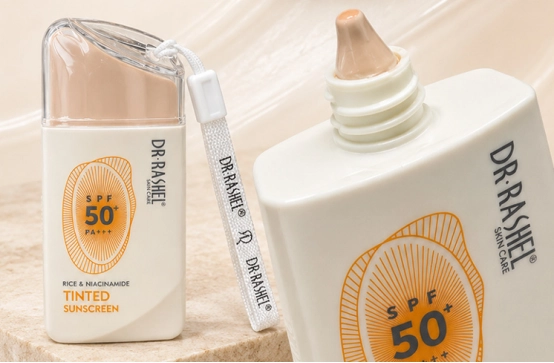
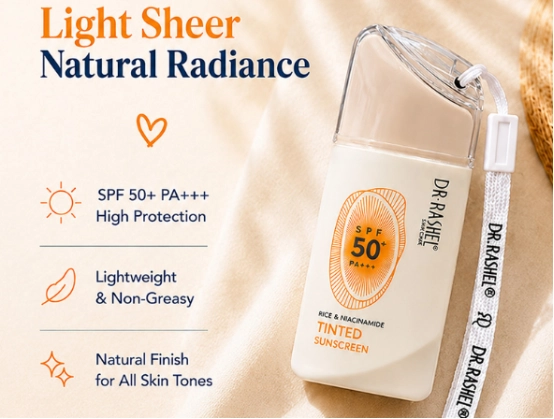
Tinted sunscreen adds pigments. These reduce the pale look from some mineral filters. It can work well. Shade matching is still key.
A universal tint may look good on one skin tone. On another it can turn orange or muddy. Test it along the jaw. Wait a few minutes. The color can shift as the product dries.
Check for Broad Spectrum Protection
Looks matter. Protection comes first. Look for these points.
- SPF 30 or higher
- Broad spectrum UVA and UVB protection
- Water resistance when swimming or sweating
- A finish comfortable enough for daily use
The best sunscreen is one that spreads in full amount. It must feel good enough to wear every day.
Mineral vs Chemical Sunscreen: Which Is Better for Dark Skin?
The full formula counts more than the type. Still there are usual differences.
| Sunscreen Type | Typical Finish | White Cast Risk | Best For |
| Mineral | Creamy or matte | Higher | Sensitive skin or mineral filter preference |
| Chemical | Lightweight or clear | Lower | Invisible everyday wear |
| Hybrid | Varies | Low to moderate | Balance of comfort and protection |
Chemical sunscreens often dry clearer, which makes them easier to wear on deeper complexions. Mineral formulas can also work when tinted or designed for a wide range of skin tones. Explore different sun cream formulas before deciding which texture works best for daily wear.
Hybrid products mix both filter types. Trying the actual product gives better information than the category name alone.
How Can You Apply Sunscreen Without Leaving a White Cast?
Good application improves the finish. It cannot fix every formula.
- Let moisturizer absorb before applying sunscreen.
- Apply the product in two thin layers.
- Distribute it across the face before blending.
- Press around the hairline, eyebrows, and jaw.
- Wait before applying makeup.
- Do not reduce the amount just to hide the cast.
Avoid mixing sunscreen with moisturizer or foundation. Mixing can lead to uneven coverage.
Busy mornings create many issues. Moisturizer sunscreen and makeup go on with almost no break. A short wait between steps usually gives a cleaner look.
How Should You Choose Sunscreen for Your Skin Type?
An invisible formula can still feel wrong after a few hours.
For Oily or Acne Prone Skin
Pick lightweight gels or fluids. Choose ones with a non-greasy finish. Be careful with very matte products. Some powders settle around dry acne marks. They create gray patches.
For Dry Skin
Lotions or light creams often sit better on dry skin. A hyaluronic acid sunscreen may provide a more comfortable finish when the skin feels tight or dehydrated. Flaky areas hold visible residue more easily.
For Sensitive Skin
Fragrance free formulas with shorter ingredient lists are often easier to tolerate. Mineral sunscreen is not always gentle. Chemical sunscreen is not always irritating. Patch testing gives more reliable results than category labels.
How Can You Reapply Sunscreen Without Creating a Gray or Patchy Finish?
On bare skin apply in thin sections. Press the product instead of rubbing it. Over makeup blot excess oil first. Then add more sunscreen. Dragging a thick layer over foundation often creates streaks.
Sticks and sprays are convenient. Coverage from them can still be uneven. For long outdoor days a lightweight reapplication product works better. It avoids repeated layering of rich cream.
What Common Sunscreen Mistakes Should Darker Skin Tones Avoid?
Common mistakes include these points.
- Using too little product to avoid white cast
- Choosing sunscreen based only on SPF
- Skipping the ears, neck, and hairline
- Applying makeup before sunscreen sets
- Assuming cloudy days require no protection
- Keeping a formula that always looks gray
A sunscreen that looks off at the correct amount is likely the wrong choice. Good technique has limits.
Conclusion: Finding the Right Sunscreen for Melanin Rich Skin
A good sunscreen gives broad spectrum protection. It spreads evenly. It settles without changing the natural skin tone.
Lightweight chemical formulas often provide the easiest path to an invisible finish. Tinted mineral sunscreens or well chosen ones can succeed as well. Test them on the face. Use the amount you would wear in daily life.
The standard stays simple. Protected skin should still look like skin.
Not sure which texture will work for your skin? Explore Dr. Rashel’s sunscreen collection to compare lightweight fluids, hydrating creams, and daily SPF formulas designed for different skin needs.
FAQ About Sunscreen for Darker Skin Tones
Q: Does SPF 50 leave more white cast than SPF 30?
Not necessarily. SPF level by itself does not decide white cast. The UV filters and pigments and powders and overall texture affect the finish more.
Q: Can darker skin use mineral sunscreen?
Yes. Tinted mineral sunscreens or formulas made for many skin tones are usually easier to wear. Thick untinted mineral creams are harder.
Q: Why does sunscreen look purple on dark skin?
A pale mineral residue can create a cool gray or purple tone. This appears when it sits against warm or deep skin tones.
Q: Should sunscreen be applied before or after moisturizer?
Apply sunscreen after moisturizer and before makeup. Let the moisturizer absorb first. This keeps the layers from mixing or sliding or pilling.
Q: How often should sunscreen be reapplied?
Reapply during long sun exposure. Do so after swimming or sweating or towel drying. Exact timing follows the product directions and the activity.