Hyaluronic acid products are simple to get. Many people still use them the wrong way. A few drops go on clean skin. The face feels soft at first. Yet a tight feeling often returns by lunchtime. The full set of steps around it usually stays incomplete.
Here is a helpful tip. Give hyaluronic acid some water to draw in. Keep the amount small. Then lock that moisture in place.
What Does Hyaluronic Acid Actually Do for Your Skin?
Hyaluronic acid pulls water in. It keeps the water near the top layer of skin. The added water makes skin look smoother. It also gives a slightly fuller look. This helps most around small lines from dryness.
It does not remove dead skin the way glycolic or salicylic acid does. Its main job is to add water.
It does not fix every kind of dryness. Dehydrated skin needs water. Dry skin often lacks oil. It may also show a weak outer layer. A hyaluronic acid serum helps with the water part. Dry skin still needs a cream. The cream cuts down on water loss. Without that cream the results feel short lived.
Should You Apply Hyaluronic Acid to Damp or Dry Skin?
Skin that is slightly damp works better. After you cleanse pat off extra water. Do not wait for the face to feel fully dry. Put on a light hydrating toner or mist. You can also leave a thin layer of water. Then press the serum in.
The skin should not be wet enough to drip. Too much water makes the product thin out. It can also cause the serum to slide. Aim for damp skin instead of wet skin.
This step matters more in air conditioned rooms or cold dry weather. A serum placed on fully dry skin may feel sticky at first. Later it can feel uncomfortable. Better timing and a good moisturizer solve this issue. You do not need extra serum.
How Do You Use Hyaluronic Acid Step by Step?
The routine does not need many products. Each layer has one clear job. Clean the skin first. Add water next. Put the moisture puller on after that. Seal it in. Protect the skin last.
Morning Routine
- Cleanse with a gentle face wash. Or simply rinse with water if skin already feels dry.
- Leave the skin slightly damp. You may also apply a light hydrating toner.
- Spread two to four drops of hyaluronic acid serum on the face and neck.
- Press the product in with your palms.
- Apply moisturizer while the skin still feels a bit dewy.
- Finish with broad spectrum sunscreen.
There is no need to wait for every layer to dry completely. That pause can remove the main benefit.
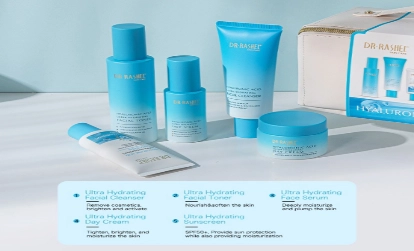
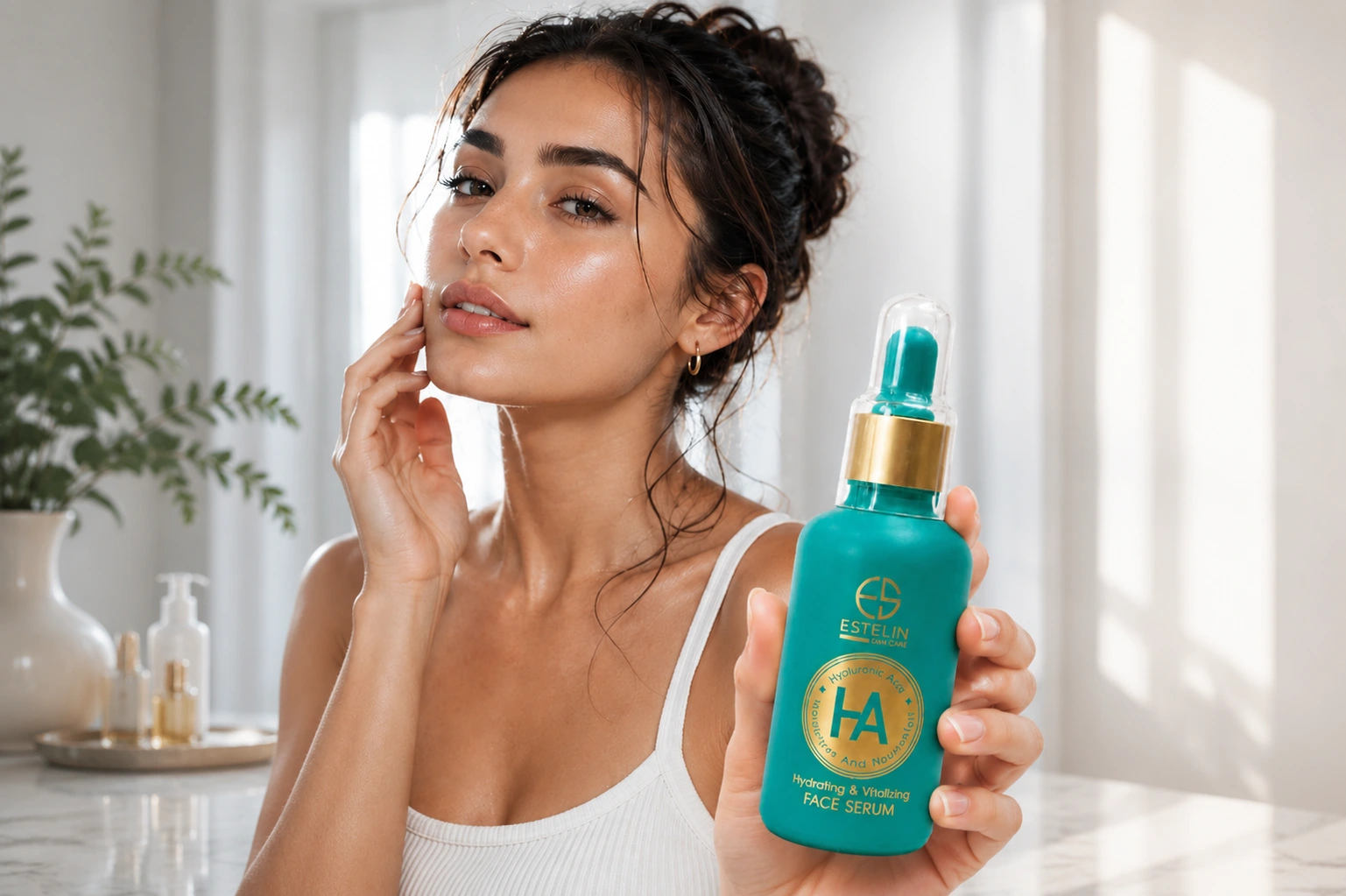
Dr. Rashel’s Hyaluronic Acid Ultra Hydrating Face Serum fits this routine. Around three to four drops cover the face and neck. Place it after cleansing and before the cream. This spot works well for a water binding serum.
Evening Routine
- Remove makeup and sunscreen.
- Cleanse without making the skin feel tight or squeaky.
- Apply toner. Or keep a little moisture on the face after rinsing.
- Use a small amount of hyaluronic acid serum.
- Finish with a night cream.
Evening routines can become crowded. Retinol niacinamide peptides oils and sleeping masks all compete for space. More layers do not always give better hydration. If products start to pill or the skin stays sticky for a long time the routine has too many items.
On nights with retinol hyaluronic acid can ease the dry feeling. It does not remove all irritation. A mild cleanser and a solid moisturizer still do most of the work.
How Much Hyaluronic Acid Should You Use and How Often?
A thin even layer is enough. For most dropper bottles two to four drops cover the face and neck. Half a pipette often leads to stickiness pilling and wasted product.
Daily use fits most skin types. Sensitive skin can begin with once a day. The evening is a good starting time. Move to morning and night use if the formula feels comfortable.
The full formula counts. Fragrance preservatives or other active items may cause irritation. Hyaluronic acid itself is rarely the cause. Patch testing makes sense when the skin barrier feels unsettled.
What Should You Apply Before and After Hyaluronic Acid?
A practical order looks like this.
Cleanser → Toner → Treatment Serum → Hyaluronic Acid → Moisturizer → Sunscreen
Thin water based items go before thicker creams and oils. If hyaluronic acid is the only serum place it right after toner.
Vitamin C can sit underneath in the morning. Niacinamide can go before or after depending on texture. Retinol belongs in the evening. Follow it with moisturizer.
The useful question is simple. Does this mix still feel good after four hours. If the face feels tight shiny or flaky then simplify the routine.
What Common Mistakes Make Hyaluronic Acid Less Effective?
Most problems come from how you apply it. The ingredient itself is rarely at fault.
- Applying too much serum
- Using it on completely dry skin
- Skipping moisturizer afterward
- Waiting too long before sealing the layer
- Combining several sticky serums
- Rubbing until the product pills
- Expecting hydration to replace sunscreen or barrier care
Another common mistake is seeing tightness as a sign for more hyaluronic acid. Sometimes the skin needs fewer cleansing steps. It may need a richer cream or cooler water instead.
Ongoing burning itching or redness is different. Stop the product and check the full list of ingredients. Hydrating items should not need a push through phase.
Which Hyaluronic Acid Product Format Fits Your Routine?
The format should fill the gap in your routine. A serum is not always better than a toner. A mask is not a daily replacement for moisturizer.
| Product Format | Useful When | Routine Position |
| Hydrating toner | Skin feels tight after cleansing | After cleanser |
| Hyaluronic acid serum | Daily hydration feels insufficient | Before moisturizer |
| Day cream | Skin loses comfort during the day | After serum |
| Night cream | Skin feels dry by morning | Final evening step |
| Hydrating mask | Extra hydration is needed occasionally | After cleansing or toner |
Dr. Rashel’s hyaluronic acid range includes these formats. Mild dehydration may need only the serum plus moisturizer. Skin that dries out overnight may do better with the serum and a night cream together. Using every item in the range at once is rarely needed.
How Long Does Hyaluronic Acid Take to Make Skin Look Plumper?
The surface change can show up fast. Skin may feel softer and look smoother within minutes. The top layers simply hold more water.
This does not mean the ingredient has changed wrinkles or face volume forever. The result depends on steady use. It also depends on humidity cleansing habits and the cream placed on top.
Check how skin feels at three in the afternoon or the next morning. If it stays comfortable longer the routine is working. If tightness returns soon adjust the moisturizer first. Do not reach for more serum.
A small amount of hyaluronic acid on damp skin followed by cream is usually enough. The method matters more than the label. Put water underneath. Use a controlled dose. Add a sealing layer on top.
FAQ
Q: Can hyaluronic acid be used every day?
Yes. Most people can use it once or twice a day. The full formula must not cause irritation.
Q: Can hyaluronic acid be used with vitamin C?
Yes. Apply vitamin C first when it has a thinner texture. Then add hyaluronic acid and moisturizer.
Q: Can hyaluronic acid be used with retinol?
Yes. It can make the routine feel more comfortable. It will not stop all dryness or irritation from retinol.
Q: Do you need moisturizer after hyaluronic acid?
In most routines yes. Moisturizer slows water loss. It helps the hydration last longer.
Q: Is hyaluronic acid suitable for oily skin?
Usually. Oily skin can still feel dehydrated. Choose a lightweight serum and a light moisturizer. Do not skip hydration.