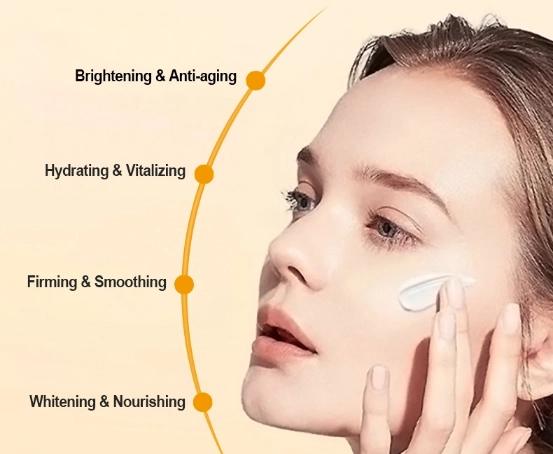
Skin that suddenly stings or flakes may feel tight as well. It may not need another active serum. The skin might simply need less instead. Too much exfoliation or harsh cleansing can upset the skin barrier. Dry weather can do the same. A simpler routine often helps more than a shelf full of new products.
This guide shows how to repair a damaged skin barrier. It helps you spot common warning signs. You also learn how to build a basic routine. The steps avoid making irritation worse.
What Is the Skin Barrier and Why Does It Matter?
The outer layer of skin works as a boundary. It sits between the body and the environment. Its cells and lipids work with natural moisturizing factors. They hold water inside and keep irritants out.
The skin barrier’s basic function
A healthy barrier cuts water loss. It keeps skin flexible. The barrier helps skin handle wind and temperature changes. It makes cleansing and everyday products easier to manage. Repeated friction or aggressive formulas can wear down that comfort.
What happens when the barrier is weakened?
When the barrier gets disturbed water escapes more easily. Skin may feel tight. It can turn rough or flaky. A familiar product may suddenly burn. Some people notice more oil around the forehead. The cheeks stay dry.
How to Tell If Your Skin Barrier May Be Damaged
One symptom does not prove a damaged barrier. Look for a pattern. It often appears after a product change or over cleansing.
Common signs
Typical signs include:
- Tightness that lasts after cleansing
- Stinging when applying moisturizer or water based products
- Dry rough or unusually dull skin
- Small flaky areas around the nose or mouth
- Redness that comes and goes
- More sensitivity to wind heat or cold
Timing matters. A new acid used every night may lead to burning after one week. Check the routine first. Do this before you buy another product.
When it may be something else
Similar symptoms can come from eczema or contact dermatitis. An allergy or acne treatment may create them too. Seek medical advice for swelling or oozing. Severe itching pain or a spreading rash also needs attention. Skincare cannot diagnose a persistent problem.
What Causes a Damaged Skin Barrier?
Small stresses can build up. A routine that once felt fine may become uncomfortable.
Overusing active ingredients
Frequent exfoliation is a common trigger. Combining retinol with several acids and a scrub can cause the same issue. These ingredients can be useful when introduced carefully. More is not automatically better.
Environmental stress
Strong sun and air conditioning affect skin. Cold wind or humid weather changes how skin behaves. A commuter may notice tight cheeks after sitting under an office vent. Someone in a humid climate may cleanse often after sweating. The skin can feel dry by evening.
Harsh cleansing habits
Hot water and rough washcloths remove more than excess oil. Stripping cleansers and repeated washing create the same effect. Use lukewarm water. Pat the skin dry. There is no prize for making skin feel stripped.
How to Repair a Damaged Skin Barrier: A Simple Routine
A short reset is practical. Remove likely irritants first. Keep the steps predictable after that.
Step 1: Pause irritating products
Set aside strong acids and scrubs. Pause retinol and peeling masks too. Leave out products that burn. A quiet routine makes tolerance easier to judge.
Step 2: Use a gentle cleanser
Choose a cleanser that removes sunscreen and daily residue. It should not leave lasting tightness. Use lukewarm water and fingertips. Morning cleansing can be lighter when skin is dry.
| Routine step | What to look for | What to avoid during a reset |
| Cleanse | Comfortable, non stripping feel | Hot water and scrubbing |
| Hydrate | Simple, lightweight moisture support | Layering several new essences |
| Moisturize | Texture suited to current dryness | Fragrance or a formula that stings |
| Protect | Broad spectrum sunscreen used as directed | Skipping SPF during outdoor exposure |
Browse the Dr. Rashel Face Care range and compare each product’s directions with the skin’s current condition.
Step 3: Add simple hydration
Apply a basic hydrating product to slightly damp skin if comfortable. Hydration should reduce tightness. It must not create heat or irritation. Introduce one product at a time. The process may seem boring. It remains useful.
Step 4: Apply a suitable moisturizer
Use a light lotion if the T zone is oily. Pick a richer cream if dry patches dominate. The best texture is one that gets used consistently. Apply a comfortable layer. Avoid excessive rubbing.
Step 5: Protect the skin during the day
Sun exposure can add stress. Apply broad spectrum sunscreen as directed when outdoors or near bright windows. Reapply after heavy sweating or towel drying.
Ingredients That May Support a Gentle Barrier Focused Routine
Ingredients are clues. They are not guarantees. The full formula and the way it is used still matter.
Ingredients commonly used in gentle routines
Glycerin attracts water. Hyaluronic acid supports surface hydration. Ceramides are common in barrier focused moisturizers. Panthenol can provide moisturizing support. Squalane adds a soft finish.
Patch test when practical. A familiar ingredient can still feel wrong in a strong or heavily fragranced formula.
Ingredients to introduce carefully
Retinol and exfoliating acids need a slower introduction. High concentration vitamin C does too. Wait until cleansing and moisturizing feel comfortable. Add one active at low frequency. Watch the skin before increasing use.
Common Skin Barrier Repair Mistakes to Avoid
Use this short checklist before adding another product.
- Stop products that burn instead of pushing through
- Avoid exfoliating visible flakes
- Change one product at a time
- Use lukewarm water
- Keep cleansing gentle and limited
- Protect exposed skin from daylight
- Read the ingredient list and directions
The phrase “tingling means it works” is especially unhelpful here. Persistent tingling is information. Pay attention to it.
How Long Does Skin Barrier Repair Take?
Mild dryness may improve after the trigger is removed. There is no reliable timetable. Persistent pain or swelling needs professional assessment. Oozing severe itching or a worsening rash requires the same step.
Build a Simple Barrier Friendly Routine with Dr. Rashel
Once the routine feels stable choose products by role. These include cleanser hydration moisturizer and sun protection. Avoid buying a shelf of actives before knowing what the skin can handle. Explore Dr. Rashel’s face care products and the sun care guidance for hot and humid weather when climate is part of the problem.
FAQs About a Damaged Skin Barrier
Q: Can I use vitamin C when my skin barrier is damaged?
If vitamin C stings or increases redness pause it. Reintroduce it only after basic cleansing and moisturizing feel comfortable.
Q: Should I exfoliate peeling skin?
No. Scrubbing or applying acids to peeling skin can add friction and irritation. Let the flakes loosen naturally. Keep the routine gentle at the same time.
Q: Can moisturizer repair a damaged skin barrier overnight?
A moisturizer can reduce dryness and improve comfort. It cannot promise overnight recovery. It cannot replace medical advice for a persistent rash.
Q: When should I see a dermatologist?
Arrange professional advice when symptoms are painful or severe. The same step applies if they keep spreading or returning. Swelling or oozing also calls for help.
Conclusion
Repair starts with restraint. Pause irritants first. Keep the routine simple long enough to learn what helps. For product questions, contact Dr. Rashel. Share the relevant skin concern and product details.