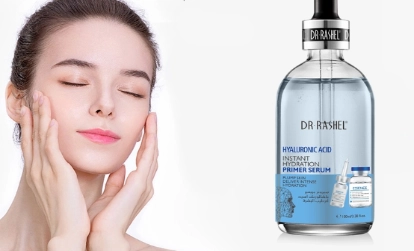
A buyer in São Paulo once asked why her 2% hyaluronic acid serum out-hydrated a competitor’s 3%. The gap was never the active alone. One weak link upstream, and the first stability month writes the reviews. Nine checks follow; each fixes a failure point in a hyaluronic acid serum formulation.
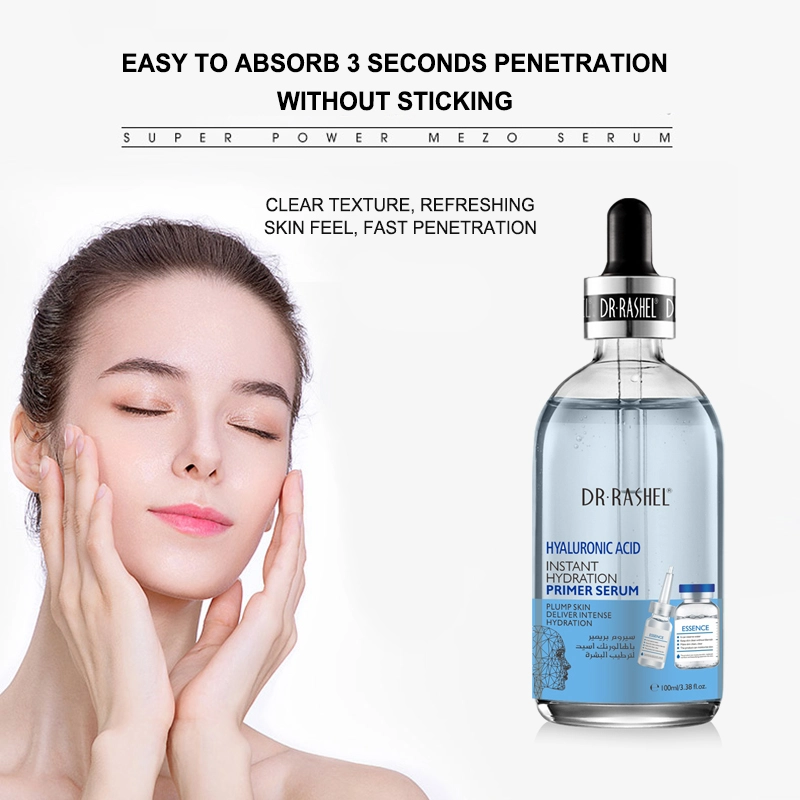
1. Define the OEM Product Brief Before Formulation
Who actually wears the serum? Ask that before the first custom serum formulation, not after. Oily Southeast Asian skin, a premium European counter — same texture, same price ceiling? No. Intensive hydration? Lightweight daily moisturizing? Premium skincare? Pick one job for the serum. Texture, absorption speed, fragrance, pack size, target price. MOQ and timelines. Destination-market rules. The claims the label may carry. If the manufacturing model is still open, the OEM and ODM skincare manufacturing question changes what the brief contains. A brief done properly, for OEM skincare products or private label skincare alike, saves sample rounds.
2. Check Hyaluronic Acid Raw Material Specifications
Paperwork before powder. Who checked the INCI name, the purity, the grade? No current Certificate of Analysis on the lot? It doesn’t get opened — that paper is cosmetic raw material quality. Which spec matters most? Hyaluronic acid molecular weight. Surface film? The high-molecular-weight side does that. Low-molecular-weight moves differently; skin feel lightens. Want both? A multi-weight build suits premium positioning — and costs more per kilo. Batch consistency next. How documented? What happens when a lot misbehaves? At the retail counter, how hyaluronic acid hydrates skin usually settles the argument.
3. Set a Practical Active Level and Supporting Ingredients
More percentage on the label? Not automatically a better serum. Try 1% against 5% on the same base. Both hydrate. The extra 4% buys a different body, more stability work, higher cost. Level setting? Supplier recommendations, formulation trials, the product’s place in the range. Then the supporting cast. In a hydrating serum formulation, who does half the work? The moisturizing ingredients. Glycerin, betaine, panthenol — three ways of holding water. Keep the hyaluronic acid serum ingredients list lean. One extra? One more stability variable, one more cost line to defend. Barrier support in the brief? The ceramides and hyaluronic acid trade-off decides the pairing, and the pairing matters as much as the percentage.
4. Review the Serum Base, pH, and Texture
Water-based is the default — exactly where clumps are born. The fix is boring: hydrate the hyaluronic acid in a water phase with enough liquid already. Into a thick base it goes and balls up — once set, lumps are brutal to beat out. The serum formulation process keeps the order of addition and mixing conditions on record from trial one. pH wants the same care: the complete formula and its preservative system set the range, never one ingredient’s preference. Early tells of bad cosmetic pH stability: cloudiness, off-odor, a preservative losing strength. Judge the hyaluronic acid serum texture like a customer. Viscosity. Transparency. Spreadability. Absorption. Skin feel. Sticky? Pills under makeup? Fights with the moisturizer that follows?
5. Validate Preservation and Formula Stability
Water-based HA serums are close to culture media until preservation is proven, so cosmetic preservative testing belongs at the front of the schedule. Two questions first: compatible in this formula? Working at the level used? Microbial limit and preservative efficacy testing answer both where applicable. Then the stability program. What should serum stability testing cover? The shelf life the product really faces: accelerated and real-time studies, temperature cycling, freeze-thaw, light the container can’t block. Log color, odor, pH, viscosity, separation at every checkpoint. Under any sensible skincare product quality testing standard, this stage is cheap next to a recall.
6. Confirm Packaging Compatibility
The container is part of the formula’s fate. Which serum packaging solutions fit? Dropper bottles, pump bottles, airless — each format shifts use and stability. Clear dropper, light-sensitive serum? The stability report confirms the problem. What gets checked? Material interaction over time. Leakage under pressure. Contamination at the fill line. Dispensing accuracy. Private label serum packaging carries positioning too: shelf appeal, the transport trip. Cosmetic packaging OEM suppliers should hand over compatibility guidance per component. Container chosen first, tested after? Wrong order.
7. Verify Product Performance, Skin Compatibility, and Claims
Evidence before words. Prove the hydration claim. Instrumental hydration measurements first. A structured consumer-use evaluation second. The market or the label demands more? Add skin compatibility or dermatological testing, scoped to the claims — never to a template. Hold every statement on the carton to that evidence. Hydrating serum performance is measurable; lines like "deep skin penetration", "hypoallergenic", "guaranteed results" are not. One challenged claim and a listing stalls or customs holds the shipment.
8. Review OEM Quality Control and Compliance Documents
Quality control on an OEM project is a chain. Can the manufacturer show each link? Raw material inspection at intake. In-process monitoring through mixing and filling. Finished product testing before release. Batch records, retained samples, traceability — see them working, not described. Before volume, the technical document set: COAs, MSDS/SDS, INCI ingredient lists, testing reports from the OEM skincare manufacturer. Target-market skincare manufacturing standards get the same check: labeling, ingredient restrictions, product registration. Cosmetic quality control that stops at the factory gate leaves the work to the buyer. That’s the chain Dr. Rashel’s R&D and quality inspection teams run — incoming material inspection, in-process monitoring, finished-product testing, batch traceability — plus product customization, sample development, and packaging support. A longer version: what to check when choosing a skincare supplier.
9. Approve Samples and Plan Scale-Up Before Mass Production
Skincare product sampling has one job: the last design change lands before tooling, not after. Judge samples like a customer: appearance, texture, fragrance, a week of real use. Adjust now, while it’s cheap. Approve the final formulation early — it locks. Sample right? Confirm the master formula and written product specifications, then run pilot production. Does the factory reproduce the formula at scale? The pilot proves it: filling accuracy, packaging fit, acceptance criteria for the run. Timelines in writing for the OEM serum production run. A slip found at pilot is cheap. In private label serum manufacturing, a slip found at launch is not.
Frequently Asked Questions About OEM Hyaluronic Acid Serums
What should be included in a hyaluronic acid serum formulation brief?
Market, skin types, positioning come first. Then texture, absorption speed, fragrance, pack size, target price, MOQ, timelines, and the label’s claims.
Is a higher hyaluronic acid concentration always better?
No. Past a practical level, extra active changes texture, stability, and cost — not hydration. Formulation trials set the level. The supporting moisturizing ingredients? They carry the rest.
What tests should an OEM hyaluronic acid serum pass before mass production?
Start with four: microbial limits, preservative efficacy, stability studies, packaging compatibility. Claims or destination markets add performance and dermatological testing.
Raw material specs, formula compatibility, stability, packaging, quality control — each with evidence before volume. That paperwork separates a serum that holds up from one that doesn’t. An experienced OEM/ODM partner carries the work from first brief to last lot. Dr. Rashel does the same for private label hyaluronic acid serum projects — customization, sample development, packaging support. Start the conversation: your market, positioning, target price.