A skincare product development brief turns a promising idea into instructions that a development team can sample, test, and revise. Before the first sample, define the intended user, product format, desired experience, packaging direction, target market, and the evidence needed for any claim. Mark what is fixed and what remains open. This gives every reviewer the same basis for judging the result and prevents a series of vague requests to make the product “better.”

What Should a Skincare Product Development Brief Do?
The brief should answer three questions: what must this product do for its intended customer, which constraints cannot change, and how will the team decide whether a sample is acceptable? It is a working specification, not a finished marketing story. A statement such as “a lightweight moisturizer for humid climates” gives direction, but it leaves too much room for different interpretations of weight, finish, fragrance, and pack type.
Give the first sample a clear job. It might test whether a gel-cream texture meets a sensory target, whether a pump dispenses the intended dose, or whether a selected formula direction is worth further development. If a single sample is expected to settle every question, feedback becomes difficult to interpret. Record the starting version and the questions it is meant to answer.
Which Product Decisions Belong in the Brief?
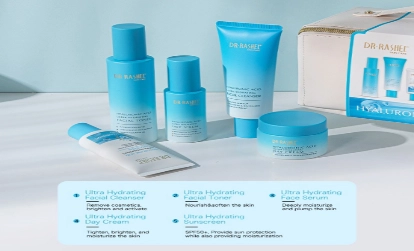
Start with the customer and use occasion. A daily face cream for a warm, humid market calls for a different sensory brief from a richer nighttime product. The category matters too: a serum, cleanser, cream, and sunscreen each have different application, packaging, and evidence needs. Use the skincare product range to narrow the format and identify a useful reference, while keeping the new concept’s requirements separate from any existing item.
Specify the Core Product Requirements
Capture the following decisions in one page before discussing fine details:
User and job: Who will use it, where, and what problem should it address?
Formula boundaries: Which ingredients or properties are required, preferred, or excluded? Identify the reason for each constraint.
Sensory target: Describe spread, absorption, residue, fragrance, and finish with a reference product or agreed descriptors.
Pack direction: Choose a provisional size, container type, dispensing method, and artwork space.
Market and claims: Name the destination market and the claims under consideration so the evidence and labeling work can be planned.
Commercial boundaries: Record target retail positioning, expected channel, and a workable cost range without treating a target as a confirmed price.
Flag Claims and Testing Early
Some decisions have a larger testing impact than others. For sunscreen development, SPF and UVA statements require appropriate testing and market-specific review; a pleasant first texture cannot establish those claims. For an ordinary moisturizer, the early emphasis may instead be sensory performance, stability, and pack compatibility. Keep open questions visible rather than filling them with guesses.
How Do You Translate the Concept into a Sampling Brief?
Write requirements that a reviewer can observe. For example, suppose the concept is a daily moisturizer for customers who dislike a heavy finish. “Lightweight” alone is too subjective. A more useful first-round brief asks for a gel-cream that spreads without visible residue, feels comfortable after several minutes, has a defined fragrance direction, and dispenses cleanly from a proposed pump. State whether the target is a starting hypothesis or a firm acceptance condition.
Control the Variables in Each Sample Round
Separate the sample into three layers. The baseline is the formula and pack combination being evaluated. The variables are the elements the team may change in this round, such as viscosity or fragrance intensity. The controls are the features that must stay the same so reviewers can compare versions fairly. If formula, fragrance, pump, and artwork all change together, it becomes hard to know what caused a better or worse response.
Consolidate Feedback into One Revision List
The product customization process can begin with a concise concept, packaging direction, and sample priorities. Appoint one decision owner to combine comments from marketing, technical, and sales reviewers into a single revision list. Rank feedback as essential, desirable, or optional. A useful first-round outcome may be “keep the texture, reduce fragrance intensity, and test pump output,” rather than an unstructured collection of personal preferences.
How Should You Evaluate a Skincare Sample?
Evaluate each version against the same conditions: amount applied, application area, observation time, and packaging format. Give reviewers a simple form and ask them to describe what happened, not only whether they liked it. A product that feels light at application may still leave residue later; a formula that looks good in a jar may dispense differently through a pump.
Use a Consistent Sample Review Sheet
| Review Area | Record During the First Round | Possible Decision |
|---|---|---|
| Appearance and scent | Color, separation, fragrance character, and intensity | Keep, adjust, or investigate |
| Application | Spread, tack, absorption, and visible residue at agreed time points | Compare with the reference |
| Packaging | Dispensing consistency, leakage, and ease of use | Retain or test another pack |
| Claims and documents | Which proposed statements still need evidence or market review | Hold claim wording open |
Track Versions and Open Risks
Photograph samples consistently and keep a version log with dates, formula or pack identifiers, and the exact requested changes. A sample approval should name the approved version and the criteria met. Stability, compatibility, safety, and claim substantiation remain separate workstreams; a positive sensory panel does not replace them.
When reviewing a partner, connect sample quality with documentation, traceability, and operational fit. The same questions used to evaluate a wholesale partner can expose gaps that a good-looking prototype will not reveal. Do not advance a sample simply because the first version is attractive if the pack, evidence plan, or intended market remains unresolved.
What Is the Next Step After the Brief?
Before development starts, reduce the brief to one concept summary, a short list of fixed constraints, the first sample’s purpose, and the criteria for the next decision. Add the destination market, provisional pack format, and any unresolved claim or document questions. Then share the product concept for a feasibility discussion. A clear starting point lets the team decide what can be sampled now, what needs evidence or packaging work, and which questions should remain open until the first review.
FAQ
These common questions help teams keep sampling focused while the product definition is still developing.
Must a Brand Have a Finished Formula Before Sampling?
No. A brand can start with a clear target user, product format, sensory reference, ingredient boundaries, and intended market. A finished formula is useful when the brand already controls one, but it is not the only workable starting point. The brief should state whether the development team is adapting an existing base or working toward a more customized formula.
How Many Sample Changes Should Be Requested at Once?
Keep changes limited enough to understand their effects. If the first sample is too thick and too strongly scented, request those adjustments separately or make the comparison plan explicit. Record the original version and the reason for every change. That makes the next review more useful than simply saying a new version feels closer.
Can Packaging Be Chosen After Formula Approval?
Final artwork can come later, but the likely container and dispensing format should be considered early. A pump, tube, and jar expose the formula to different use and compatibility conditions. Even when the first sample arrives in a laboratory container, plan a later check using the intended commercial pack before final approval.
Should Marketing Claims Be Final Before the First Sample?
Set a provisional claim direction, then confirm the evidence and destination-market rules before finalizing wording. “Hydrating” and a specific measured-duration claim are different evidence tasks. The brief should identify the proposed statements and who will review them, so copy does not outrun the product data.