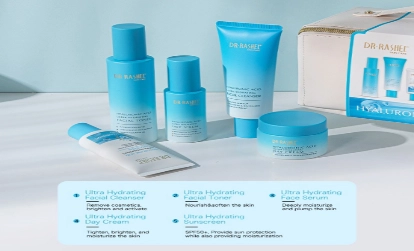
Niacinamide and vitamin C both appear in brightening products. They act in different ways. Vitamin C fits skin that looks dull after lots of sun. Niacinamide works better for sensitive skin. It also suits oily skin or skin that gets blemishes often.
No single choice wins for everyone. The current state of the skin counts. The product formula counts. How well the skin accepts it counts. These points matter more than the name on the bottle.
What Does Niacinamide Do for Dull and Uneven Skin?
Niacinamide is a form of vitamin B3. It helps skin tone look more even. It aids oil control. It adds moisture. It strengthens the skin barrier.
These actions help when dark marks appear next to other issues. A person may see spots left from past breakouts. They might also have an oily T-zone. Dry cheeks can appear at the same time.
How Does Niacinamide Support Brighter Looking Skin?
Niacinamide cuts down pigment movement to outer skin cells. It does not bleach the skin. Results come slowly. Dark marks fade with time. The skin look becomes calmer. It appears more even too.
It often helps with marks left after acne. Strong acids fade spots fast. They can irritate skin that feels stressed. Niacinamide follows a milder path.
Daily serum use for several weeks brings better results. A stronger product used only now and then gives less help.
Who Is Niacinamide Best Suited For?
Niacinamide serves as a solid choice for certain skin needs.
- Sensitive or easily irritated skin
- Oily skin with visible pores
- Postblemish marks
- Dehydrated or barrierweakened skin
- Beginners using active skincare
Higher percentages do not always perform best. A balanced formula such as the niacinamide super serum often delivers more value. A very concentrated serum can lead to flushing or tight feelings.
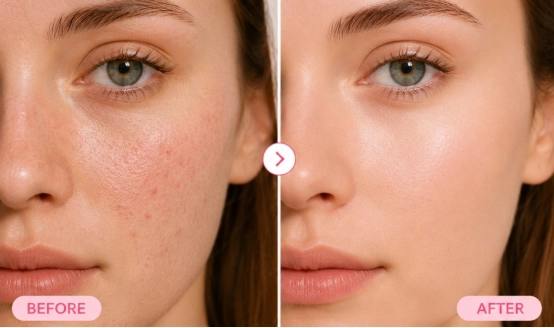
How Does Vitamin C Brighten the Skin?
Vitamin C works as an antioxidant. It guards skin against damage from sunlight and pollution. This quality makes it useful for dullness. It helps with sun related spots. It supports skin against early ageing.
It can limit extra pigment creation. Many users notice a clearer glow first. Larger shifts in single dark spots take longer.
The specific form matters. L-ascorbic acid can deliver results but may cause stinging. Forms like 3-O-ethyl ascorbic acid stay more stable. Vcitamin C face serum provides one option in a daily brightening routine.
Storage plays a role too. A serum kept in heat or strong light loses power faster. When the liquid turns dark orange or brown its performance drops.
Niacinamide Vs. Vitamin C: What Are the Main Differences?
The real difference lies in the skin concern at hand. It is not simply about which one acts stronger.
| Comparison Point | Niacinamide | Vitamin C |
| Main role | Helps make skin tone even and cuts down moved pigment look | Addresses dullness, damage from surroundings, and discoloration |
| Best for | Sensitive skin, oily skin, blemish prone skin, or weak skin barrier | Dull skin, sun exposed skin, or mature looking skin |
| Extra benefits | Barrier support, oil control, added hydration | Protection from damage, added glow, collagen support |
| Irritation risk | Usually low | Varies by form, strength, and overall formula |
| Stability | Generally stable | Some forms lose power quickly |
| Typical use | Morning, evening, or both | Often used in the morning |
Vitamin C can deliver a quick sense of glow. Niacinamide feels more steady. It stays easy to use for months. Daily consistency usually leads to the best results.
Which Brightener Is Better for Your Skin Type and Concern?
Skin type offers only a starting clue. Oily skin can still look dull. Dry skin can still show acne marks.
Choose Niacinamide If…
Niacinamide makes a smart first pick when skin turns red fast. It fits skin that feels tight after washing. It suits skin that reacts to acidic items.
It also suits routines dealing with:
- Uneven tone and frequent blemishes
- Excess oil and dehydration
- Visible pores and rough texture
- Dark marks after inflammation
- A damaged skin barrier
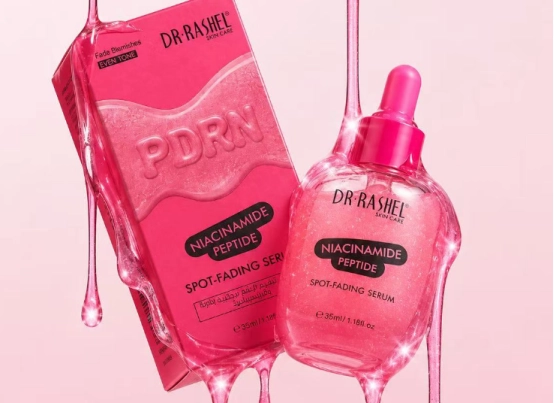
Choose Vitamin C If…
Vitamin C often matches better when skin looks flat and tired. This is especially true after regular time in the sun.
It may suit people looking for:
- More visible radiance
- Antioxidant support
- Help with sunrelated spots
- A morning brightening step
- Support for fine lines and firmness
Vitamin C does not replace sunscreen. It works alongside it.
Consider Using Both If…
Both ingredients can pair well when concerns overlap. Dullness combined with post breakout marks offers one example.
Vitamin C supplies antioxidant action. Niacinamide keeps skin comfortable. It supports the barrier. This pairing works in practice. Still adding two new serums on the same day can make it hard to spot which one causes any reaction.
Can You Use Niacinamide and Vitamin C Together?
Yes. Most modern formulas allow both in the same routine when skin tolerates them.
The old idea that they always cancel each other is not accurate today. Irritation remains the main concern. Skin that reacts easily may do better with separate times of use.
Option 1: Use Them in the Same Morning Routine
A straightforward routine can follow this order.
- Gentle cleanser
- Vitamin C serum
- Niacinamide serum or moisturizer
- Broadspectrum sunscreen
Place lighter textures before heavier ones. There is no need to pause twenty minutes between layers.
Option 2: Separate Them for a Simpler Routine
For sensitive skin:
- Use vitamin C in the morning
- Use niacinamide in the evening
- Introduce one product at a time
- Reduce frequency if redness or dryness appears
Patch testing remains wise. Skin reactions often appear right before important events rather than during quiet days.
What Is the Final Verdict: Niacinamide or Vitamin C?
Vitamin C stands out for quick glow. It offers protection from daily surroundings. It helps with dullness linked to sun. Niacinamide serves as a reliable all rounder for uneven tone. It works for blemish marks. It aids oil balance. It supports the skin barrier.
Using both remains reasonable. Dr. Rashel’s Vitamin C Brightening & Anti-Aging Face Serum suits a glow focused routine. The niacinamide serum supports daily tone and barrier care.
Need help checking product details, availability, or ingredient information? Contact the Dr. Rashel team for further assistance.
FAQ
Q: How Long Does Niacinamide Take to Brighten Skin?
Some improvements may show in a few weeks. Dark marks often need eight weeks or more. Daily use paired with sun protection creates the largest effect.
Q: How Long Does Vitamin C Take to Show Results?
Skin glow can improve in a few weeks. Clear changes in discoloration usually require two to three months.
Q: Is Niacinamide or Vitamin C Better for Acne Marks?
Niacinamide often feels easier on post acne marks. It helps the skin barrier at the same time. Vitamin C can assist. Acidic versions may irritate skin that recently showed inflammation.
Q: Can Niacinamide and Vitamin C Cause Purging?
True purging remains rare. Burning, itching, or fresh breakouts usually signal irritation or a reaction to another item in the formula.
Q: Should Vitamin C or Niacinamide Be Applied First?
Apply products from thinnest to thickest. When textures feel similar, vitamin C commonly goes on before niacinamide.