
Skin can feel tight after you cleanse it. It may still look shiny by lunchtime. It can also seem rough under a thick layer of cream. These mixed signals often lead to the wrong routine. Dry skin and dehydrated skin are related. They are not the same though. One lacks oil. The other lacks water. Knowing which issue appears helps you pick products more easily.
Quick Answer: Dry vs. Dehydrated Skin at a Glance
Dry skin usually produces too little natural oil. Dehydrated skin does not hold enough water. Dryness tends to last a long time. Dehydration may change with weather or habits. Any skin type can become dehydrated. This includes oily skin.
| Concern | Main issue | Typical signs | Routine focus |
| Dry skin | Low natural oil | Flakes and lasting tightness | Moisturizing and barrier support |
| Dehydrated skin | Low water content | Dullness or tight but oily skin | Hydration and water retention |
| Both | Low oil and water | Rough, dull skin | Hydration plus moisturizer |
What Is Dry Skin?
Dry skin is usually a skin type. It can also act as a long term tendency. It produces less sebum. This is the natural oil that keeps the surface flexible. Without enough oil moisture escapes more easily. Flakes may appear around the mouth. They show up near the eyebrows too. Foundation can catch beside the nose. This happens before the morning commute ends.
Genetics and age can play a role. Cold weather may expose the problem. Strong cleansers often make it worse. Dry skin usually welcomes a richer moisturizer. Persistent redness or painful cracks need professional attention.
What Is Dehydrated Skin?
Dehydration is a temporary skin condition. It is not a fixed type. It happens when the outer layer lacks water. A humid week may hide it. Several days in an air conditioned office can bring it back.
Dehydrated skin often looks dull. Fine surface lines may appear sharper. The face can feel tight after washing. It may become oily later. More oil does not mean more water. Sun exposure and over cleansing can contribute. Repeated exfoliation may worsen the texture it was meant to fix.
How to Tell If Your Skin Is Dry or Dehydrated
Look at patterns rather than one bad skin day. Dryness tends to stay. Dehydration often follows travel. It can come from weather shifts. Routine changes play a part as well. A few visible clues help narrow it down.
Signs of Dry Skin
Dry skin often feels rough across the face. Flaking and lasting tightness are common. Shine may be limited. Makeup catches on dry patches. A nourishing cream usually brings noticeable comfort.
Signs of Dehydrated Skin
Dehydrated skin can feel tight. The forehead still shines at the same time. The complexion may look tired after a flight. Fine lines seem more obvious. They soften after a hydrating serum and moisturizer.
Can You Have Both?
Yes. Naturally dry skin can also lose water. This occurs especially in winter. It can happen after harsh cleansing. The skin may feel rough. It can look dull at once. This skin needs water based hydration. It goes under a moisturizer that helps slow water loss.
A Simple At Home Skin Check
Suggested steps:
- Cleanse with a gentle cleanser.
- Pat the face dry without rubbing.
- Wait approximately 30–60 minutes without applying skincare.
- Observe how the skin feels and looks.
- Check whether the main concern is oiliness with tightness. It could be persistent roughness or both.
This check is only a guide. It cannot diagnose eczema or another condition. Swelling or painful irritation deserves advice from a qualified healthcare professional.
What to Use for Dry and Dehydrated Skin
Enough moisture keeps the skin comfortable. You can adjust texture to suit the skin type.
Step 1: Use a Gentle Cleanser
Choose a gentle cleanser that removes sunscreen and buildup. It should not leave a squeaky finish. That feeling is not proof of better cleansing. Dry skin may prefer a creamy texture. Oily but dehydrated skin often suits a light gel. Use lukewarm water.
Step 2: Add Hydration to Dehydrated Skin
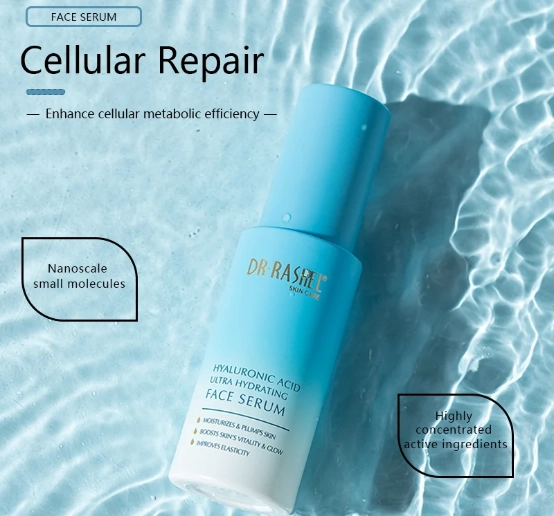
Apply a hydrating serum or essence after cleansing. Glycerin and hyaluronic acid attract water to the skin’s outer layer. Panthenol can also support a softer feel. Apply it to slightly damp skin. Do this unless the directions say otherwise. One or two light layers are enough.
Step 3: Seal in Moisture
A moisturizer helps reduce water loss. It smooths the surface at the same time. Dry skin may suit a cream with ceramides or squalane. Shea butter and plant oils can add comfort when tolerated. Combination skin often prefers a lighter lotion. Choose the texture the skin accepts. Do not pick the heaviest jar available.
Step 4: Protect the Skin During the Day
Finish the morning routine with broad spectrum sunscreen. UV exposure can add to dryness. It makes dull skin look uneven too. Cover the face and neck. Reapply during extended time outdoors. Sunscreen protects the work underneath.
Step 5: Build a Simple Night Routine
At night cleanse the skin first. Then apply a hydrating serum. Follow with moisturizer. Very dry areas can take a richer layer. An oily forehead may need less. Keep the routine steady before judging it. Changing four products after one tight morning makes useful results hard to identify.
Choosing the Right Dr. Rashel Products for Your Skin
Use the skin’s current behavior as the shopping filter. For dehydration explore Dr. Rashel hydrating serums or essences. Look for humectant led formulas. For persistent dryness pair that hydration with a comfortable moisturizing cream. Oily skin that feels tight will usually prefer light layers. Skip one dense product.
A practical Dr. Rashel routine can stay compact. It includes gentle cleanser, hydrating step, moisturizer and daytime sunscreen. Check each ingredient list. Review the product directions before combining formulas. Patch test new skincare if the skin is reactive.
Ready to make the routine less complicated? Explore the Dr. Rashel skincare range. Choose textures that match what the skin is doing now.
Common Mistakes to Avoid
Do not chase dehydration with repeated exfoliation. Avoid washing until every trace of oil disappears. Facial oil may soften dry skin. It does not replace a water based hydrating step. Adding several products at once creates noise. A short routine makes reactions easier to spot. Useful results become easier to repeat.
FAQs
Q: Is dehydrated skin the same as dry skin?
No. Dry skin lacks natural oil. Dehydrated skin lacks water. They can look similar. One person can experience both.
Q: Can oily skin be dehydrated?
Yes. Oil production does not measure water content. An oily face can still feel tight or look dull.
Q: Is hyaluronic acid good for dry skin?
It can add hydration. Dry skin usually needs moisturizer over it. The cream helps hold that comfort in place.
Q: How long does it take to improve dehydrated skin?
Comfort may improve quickly with a gentler routine. Visible changes vary with climate and product use. Consistency matters more than one intensive treatment.
Conclusion
Dry skin asks for more oil based support. Dehydrated skin asks for water and help retaining it. When both appear layer hydration beneath moisturizer. Protect the result with sunscreen. Browse Dr. Rashel skincare to build a routine around the concern you actually have. Do not use the label you assumed.