
A sunscreen label can look like a small technical manual. SPF 50. Broad spectrum. Then there is PA followed by plus signs. Those symbols describe a different part of sun protection.
PA++++ means extremely high UVA protection under the PA rating system. SPF mainly addresses UVB. Someone who rarely burns may still notice tanning after driving beside a sunny window.
Understanding the label makes it easier to compare formulas in a sun care range.
What Does PA++++ Mean in Sunscreen?
PA stands for Protection Grade of UVA. It is based on persistent pigment darkening, or PPD, which measures skin’s response to UVA. More plus signs indicate stronger protection.
PA++++ is the system’s highest category. It generally corresponds to a UVA protection factor of 16 or higher when the product is applied in the tested amount.
It does not mean total protection. No sunscreen blocks every ray. A thin swipe in the morning will not perform like the full amount used during testing.
UVA contributes to tanning, uneven-looking pigmentation and visible photoaging. Those effects can build without the warning of sunburn.
How Does the PA Rating System Work?
The PA system began in Japan and is common across Asian skincare markets. It translates PPD results into a grade. Each extra plus sign marks stronger UVA protection.
| PA rating | UVA protection level | General PPD range |
| PA+ | Some UVA protection | 2 to below 4 |
| PA++ | Moderate UVA protection | 4 to below 8 |
| PA+++ | High UVA protection | 8 to below 16 |
| PA++++ | Extremely high UVA protection | 16 or higher |
Not every market uses PA. A European package may show UVA inside a circle. Elsewhere, “broad spectrum” is common. Compare products using the same rating system.
The rest of the label matters. Check the SPF value and water-resistance claim. A high PA grade cannot compensate for poor application.
PA++++ vs. SPF: What Is the Difference?
SPF and PA measure different jobs. SPF mainly indicates UVB protection, associated with sunburn. PA grades UVA protection, linked to tanning and visible skin changes.
The quick version is simple: SPF relates mainly to UVB protection. PA relates to UVA protection. One rating cannot replace the other.
At lunch outdoors, UVB can leave uncovered skin red. During a long commute, UVA can pass through side windows even when skin never feels hot. Daily sunscreen should address both.
SPF 50 does not automatically mean PA++++. A PA grade does not reveal UVB protection. Read both marks and look for broad-spectrum coverage.
When Should You Choose PA++++ Sunscreen?
PA++++ suits sustained UVA exposure: sightseeing, a beach afternoon or outdoor work in strong sun. It may also suit people concerned about dark spots or uneven tone.
UVA can pass through ordinary window glass, so a bright desk or long drive may justify stronger coverage. Exfoliating acids and retinoids also make careful sun protection sensible.
Lower PA ratings are not useless. Protection should match the setting. A short indoor day differs from hours near reflective water. Comfort matters too; an unused product protects nothing.
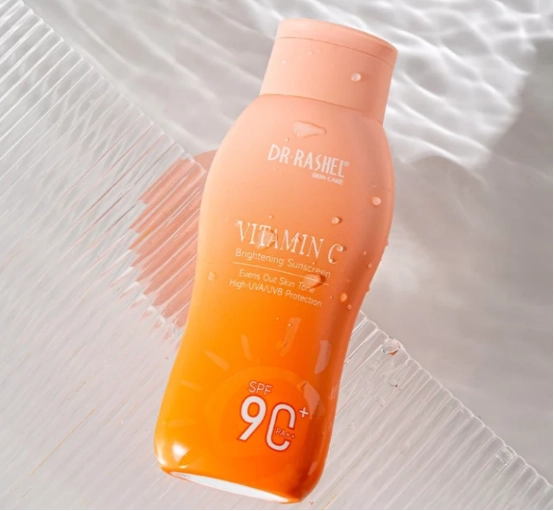
How to Choose the Right PA++++ Sunscreen
Start with the protection ratings, then judge how the formula will behave in real life. Texture and reapplication can decide whether sunscreen becomes a habit.
Check the SPF Level
For daily outdoor exposure, SPF 30 or higher is a common baseline. Higher SPF may suit strong sun or prolonged time outside. Follow local guidance and personal skin needs.
Read SPF and PA together. Suitable SPF plus PA++++ gives a clearer balance of UVB and UVA coverage than either rating alone.
Match the Texture to Your Skin and Routine
Creams and lotions spread easily across face and body. A sun cream formula may fit a morning routine. Sun protection sticks suit targeted reapplication around the nose or cheekbones.
Sprays can help with hard-to-reach areas, but coverage must be generous and even. Do not rely on a light mist. The stated PA rating assumes enough product reaches the skin.
Consider Your Skin Type
Oily-feeling skin often pairs with a lightweight finish. Dry skin may prefer a moisturizing cream or lotion. Sensitive skin needs a closer label check around fragrance and known triggers.
Finish matters too. A sunscreen that pills beneath makeup creates friction in the routine. Test how it layers with moisturizer.
Check Water-Resistance Claims
Water resistance is useful for swimming, exercise and humid weather. Check the stated resistance period and follow the product directions.
“Water resistant” does not mean waterproof. Swimming, toweling and heavy perspiration can remove protection. Reapply after those activities.
How to Apply PA++++ Sunscreen Correctly
Apply sunscreen generously before sun exposure. On the face, it usually sits after moisturizer and before makeup. Follow the package directions.
Coverage gaps are common. Do not miss the ears or neck. The hairline and hands also need coverage. Around the eyes, use a suitable product and avoid direct contact.
Reapply about every two hours during continued exposure. Do it sooner after swimming, sweating or towel drying. On a beach day, that keeps protection from fading with the first layer.
Use shade as well. Add protective clothing plus a hat and sunglasses. One layer of cream should not do everything.
Common Questions About PA++++ Sunscreen
The plus signs describe UVA protection. They do not show wear time, UVB coverage or skin-type suitability.
Q: Is PA++++ the highest PA rating?
Yes. PA++++ is the highest category commonly printed on sunscreen labels. It represents extremely high UVA protection, generally linked to a PPD value of 16 or above.
Q: Is PA++++ better than SPF 50?
Neither is “better” because they measure different forms of protection. PA++++ describes UVA protection. SPF 50 mainly describes UVB protection. A product carrying both can offer broad-spectrum coverage.
Q: Does PA++++ last all day?
No. The grade describes tested protection strength, not all-day wear. Sweat, rubbing and water reduce the layer on the skin. Reapplication remains necessary.
Q: Can I use PA++++ sunscreen every day?
Yes. Choose a comfortable texture and follow the product directions. Consistent use matters more than an impressive label sitting unused.
Q: Does PA++++ prevent tanning completely?
No sunscreen can promise that. PA++++ can reduce UVA exposure when applied correctly, but amount, missed areas and reapplication timing affect the result.
Find the Right Sun Protection with Dr. Rashel
Good sun protection pairs suitable SPF with a clear UVA rating such as PA++++. The format should fit the routine: a morning cream, a portable stick or another formula for outdoor conditions.
Dr. Rashel offers several sun care formats within its dermatologically tested and cruelty-free beauty range. Check labels individually; PA grades can vary by formula and destination market.
Retailers and distributors building a sun care assortment can also review Dr. Rashel’s private-label skincare services. For product specifications, wholesale support or customization requirements, contact Dr. Rashel with the intended market and format.