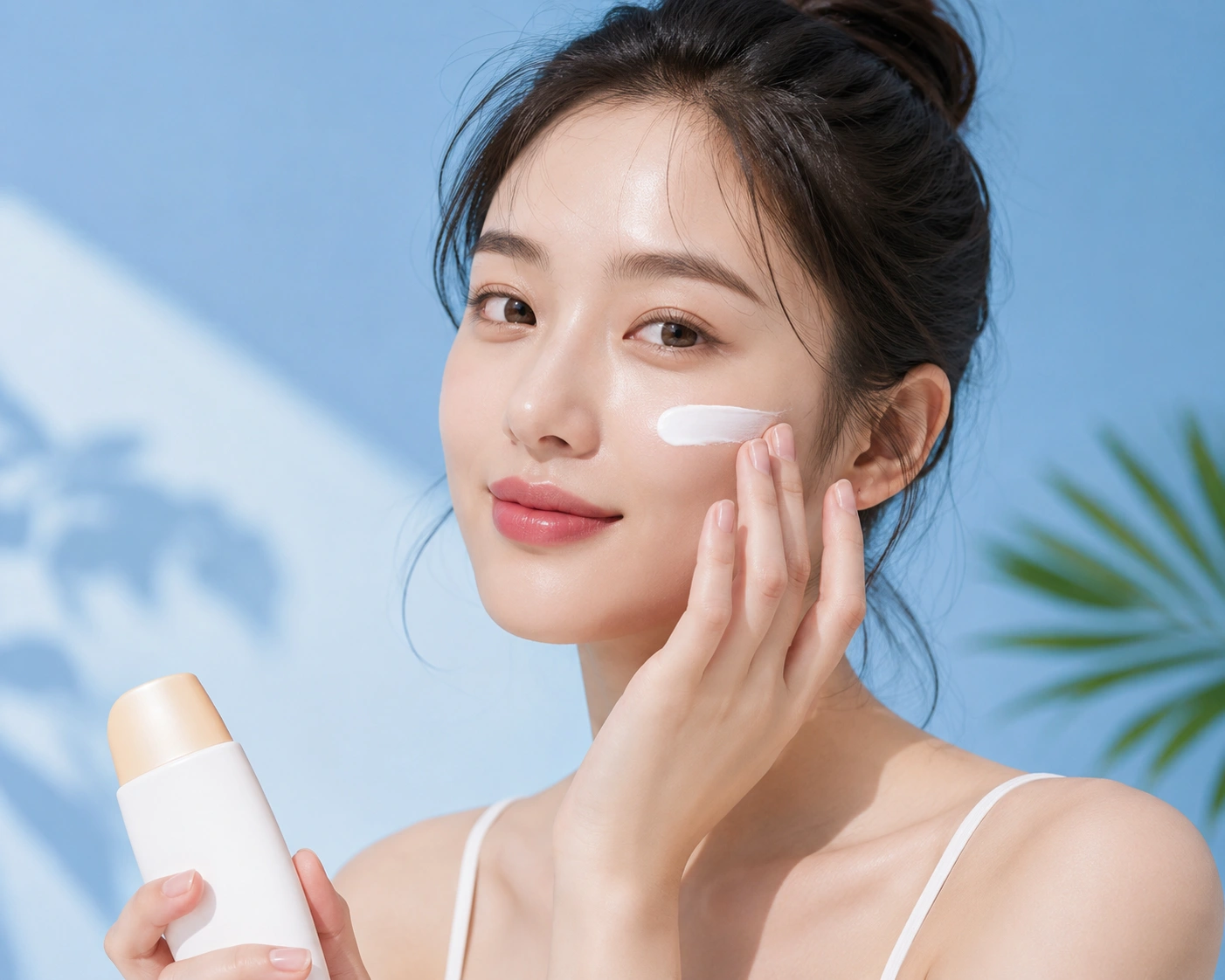
Picking a good sunscreen is often hard for people with oily skin. Certain creams feel too thick. They might create extra shine or leave your face feeling sticky all day. You might also have acne prone skin. In that case, you have to be careful about creams that block your pores.
This is why knowing the best sunscreen ingredients for oily skin makes picking your daily SPF much simpler. A quality sunblock must offer strong UVA and UVB defense. At the same time, it needs to fit easily into your daily skincare habits.
What Does Oily Skin Need From a Sunscreen?
Oily skin requires the same basic sun defense as any other skin type. However, the texture and mix of ingredients matter a lot. They decide how nice the lotion feels on your face.
A proper sunscreen for oily skin must give broad spectrum defense against UVA and UVB light. It must also stay light enough for everyday wear. Users with oily or acne prone skin often want products marked non comedogenic. This label means the item is made to avoid blocking pores.
Best Sunscreen Ingredients for Oily Skin
You should compare different options carefully. The top ingredients for this skin type pair strong UV filters with helpful skincare additions. Do not just look for one single perfect ingredient. Instead, think about how the whole mixture works as a team.
1. Effective UV Filters
The main job of any sunblock is shielding your skin from ultraviolet rays.
Broad spectrum products are made to block both UVA and UVB light. Different items use different UV blockers. Some use mineral blockers like zinc oxide and titanium dioxide. Others use chemical blockers. Many items mix different sun protection methods together.
The type of UV blocker is only one part of the choice for oily faces. A mineral product is not always better than a chemical one. The reverse is also true. The final feel, the look on your skin, and how well it matches your face are just as vital.
2. Niacinamide
Niacinamide is a very common addition for oily and blemish prone faces. This makes it a great part of most morning routines.
People also call it vitamin B3. This item helps strengthen the skin barrier. It also creates a smoother and more even look. Because of these traits, makers put it in products for specific issues. These include shiny skin, uneven tone, and spots.
Picking a niacinamide sunscreen is very handy. It gives you sun defense and skin care benefits at the exact same time.
3. Hyaluronic Acid
Many people wrongly think that an oily face does not need extra moisture.
The truth is that oily skin easily gets dried out. You should look for items like hyaluronic acid when buying sunblock. This part offers light moisture. It does this without making the cream feel thick or greasy.
Hyaluronic acid acts as a humectant. This means it pulls and holds water near the surface of the skin. That action makes it very helpful for mixed skin types. It also helps oily skin that feels tight after washing.
4. Antioxidants Such as Vitamin C
Antioxidants act as great tools in any morning skincare plan.
Vitamin C is highly favored for fixing dullness. It also helps correct uneven skin tones. You can use it alongside your sunblock. This pairing boosts your daily defense against outside damage.
However, you must never replace SPF with antioxidants. Sunblock has to stay your primary defense against the sun.
5. Soothing Ingredients Such as Aloe Vera
An oily face can also get sensitive, red, or full of spots. Calming additions make a sun lotion much nicer to use every day.
Makers often put aloe vera into skincare items. They do this because it calms and moisturizes the face. It is a great choice for people who feel sore after being in the sun. It also helps during very hot days.
What Should Oily Skin Look for Beyond Ingredients?
The parts of the cream matter a lot. However, the complete mixture is equally vital.
You might want an oil free sunscreen or a product for acne prone skin. If so, search for words like these:
- Light feeling
- Noncomedogenic
- Quick to absorb
- Nongreasy
- Broad spectrum
- SPF 30 or above
A light liquid or fluid often feels much better than a thick cream. This is very true in hot or sticky weather.
You should also think about how the sunblock works with your other items. You might use face cream, makeup, or other morning products. Pick an SPF that stacks well. It should not make your face feel weighed down.
Which Dr. Rashel Sunscreen Is Suitable for Oily Skin?
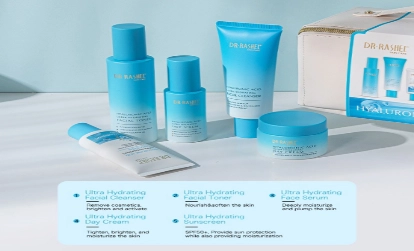
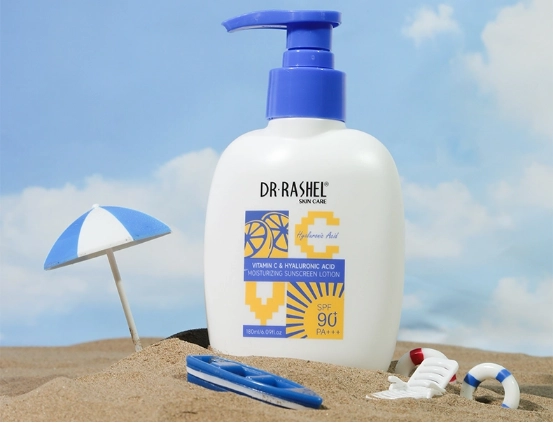
Many buyers want light sun defense for daily use. Dr. Rashel provides several good choices. These items blend SPF with well known skincare additions.
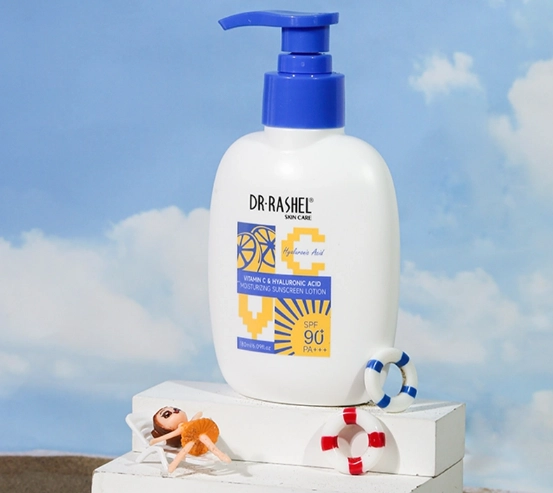
One great choice is Dr. Rashel Vitamin C & Hyaluronic Acid Moisturizing Sunscreen Lotion SPF90. This product mixes high SPF defense with Vitamin C and hyaluronic acid. It is light, oil free, and non comedogenic. These traits make it a perfect match for those with oily or acne prone faces.
Some users want different skin benefits. They can look into Dr. Rashel Sun Care items. These mixtures feature parts like niacinamide and aloe vera.
The right pick always depends on your own skin issues. It also relies on the local weather, the feel you like, and your normal habits.
How to Choose Sunscreen for Oily or Acne Prone Skin
- Pick broadspectrum UV defense.
- Find SPF 30+ for everyday wear.
- Focus on light, oilfree, or non comedogenic items.
- Search for helpful additions like niacinamide and hyaluronic acid.
- Think about using antioxidants like Vitamin C.
- Check how the cream feels under makeup. Also test it on humid days.
- Put the sunblock on again based on the package rules.
FAQs About Sunscreen Ingredients for Oily Skin
Q: Is niacinamide good in sunscreen for oily skin?
Niacinamide acts as a great addition for oily faces. It strengthens the skin barrier. Makers use it often in items for oily or spot prone skin.
Q: Is hyaluronic acid suitable for oily skin?
Yes, it is. Hyaluronic acid adds pure moisture instead of extra grease.
Q: Should oily skin choose mineral or chemical sunscreen?
Neither choice is simply the best for an oily face. You must focus on broad spectrum defense instead. Look at the texture, the final look, and the general comfort. Also, see how well your face handles the cream.
Q: Can sunscreen cause breakouts?
Yes, in some cases. Certain thick or heavy creams feel bad on the skin. They can also lead to blocked pores.
Conclusion — Protect Oily Skin Without the Heavy Feel
Picking a sunblock for oily skin does not mean giving up moisture or skin benefits. The top ingredients blend strong UV defense with light support. These include additions like niacinamide, hyaluronic acid, Vitamin C, and aloe vera.
You must look at the whole mixture too. Light, non comedogenic, and oil free choices usually feel much better. They suit oily or acne prone faces perfectly.
Check out Dr. Rashel Sun Care to find great options. These products mix daily sun defense with highly useful skincare additions.