Cleansing balm with hyaluronic acid and olive oil: apply to dry skin and gently massage into skin until it turns into oil. Then add a little water and work into a milky consistency. Rinse off with lukewarm water. Note that you spread the balm to remove makeup, and then emulsify the oily mixture to rinse off the cleanser.
What Does Hyaluronic Acid Olive Oil Cleansing Balm Do?
Our hyaluronic acid olive oil cleansing balm, DRL-1729, is a 100 g rinse-off cleanser intended to remove makeup, including waterproof makeup, and sunscreen.
Understand the Texture Changes
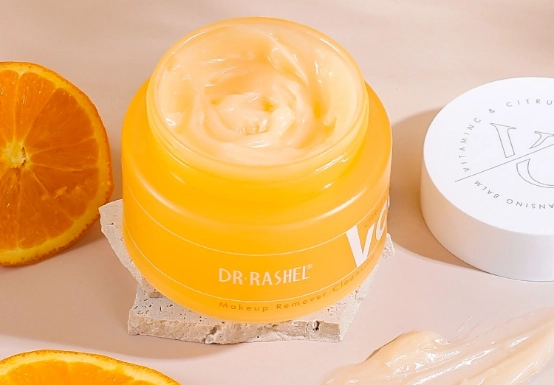
This balm begins as a solid, turns into a massage oil and then a milky liquid when mixed with water.
The oil phase of the cleanser penetrates into oily make-up like sunscreens and dissolves them. The milky phase indicates that the cleanser has mixed with water. The milky phase can be used as a guide for application but does not necessarily mean all make-up has been removed.
When compared with a liquid cleansing oil, the biggest difference in handling a balm cleanser is the first texture that you apply to the skin before it starts to spread as an oil. After that, both balm and liquid cleansing oil go through a milky stage that is triggered by water and then are rinsed off.
Place Hyaluronic Acid in Context
While the Hyaluronic Acid in the formula adds to the hydration benefits of the product, the Balm is a Cleanser and should be rinsed off the skin and not left on to add another layer on top of moisturizer like a Serum.
How Do You Apply and Emulsify the Cleansing Balm?
Start with Dry Hands and Dry Skin
Start by using the spatula provided to scoop out the balm. Make sure your hands and face are dry before you begin applying. Use enough balm to cover the makeuped area without dragging on the skin. Always make sure to clean and dry the spatula between uses.
Face must start without water on it in order to get to the milky stage before the balm has been properly worked into the makeup. Then add water after massage.
Massage the Balm into an Oil
Use your fingertips to spread the balm in circular motions and, as it softens, use the oil to clean other areas of your face including where your foundation tends to clog up around your nose and hairline.
For this balm, massage into the skin for about 1-2 minutes, focusing on areas of the skin where makeup has been applied. Gently massage, using light pressure. Avoid long, hard rubs as these do not wash off makeup. Around the eyes, close them and be careful not to get any of the product in them.
Add Water and Rinse Thoroughly
Add a small amount of water to your wet fingertips and blend with the oil to create a milky like paste. Massage this paste into the skin that you previously massaged with oil and then rinse off with lukewarm water.
Check hairline, nose and jaw for any remaining product that rinsing has failed to remove. Gently pat dry. The aim is to remove all visible makeup and heavy product from skin, leaving it comfortable rather than feeling tight and squeaky.
Why Does Cleansing Balm Leave Residue?
First determine the meaning of the term ‘residue’ – an oily film and an eyeliner stripe are two very different test parameters.
When an Oily Film Remains
Did you massage the cleansing balm with water before wiping? Or did the cleansing balm remain oily throughout the application? Reconfirm the consistency of the cleansing balm when it’s creamy. Did you only cleanse the center of your face, or did you use too much balm and try to apply it too thinly?
When Makeup Traces Remain
Identify where on the face the problem is occurring and what type of makeup was used. Missed hairline patches show uneven application. Waterproof eye makeup that won’t come off may require a remover designed for the specific type of makeup and how it was applied. Never rub vigorously.
Do You Need a Facial Cleanser After the Balm?
What is a follow-up cleanser for? Does one more cleanse be necessary and how does one use it?
Decide Whether to Cleanse Again
A second cleanse may be used in addition to the first cleanse if there is makeup or excessive residue left on the skin and it has a specific purpose. Complete the first cleanse balm’s emulsifying action and rinse off before using a second cleanse.
Apply the Facial Cleanser on Wet Skin
After applying the balm you can apply a hyaluronic acid facial cleanser. After the balm apply lather the facial cleanser between your hands and then apply to your wet face. Avoid contact with eyes and then rinse off with water.
Ready to Refresh Your Cleansing Routine?
Make makeup and sunscreen removal a simple part of your daily skincare routine with Dr. Rashel Hyaluronic Acid Olive Oil Cleansing Balm. Its balm-to-oil-to-milk texture helps dissolve makeup, including waterproof formulas, while making rinsing easy. Whether you’re cleansing after a full day of makeup or removing your daily sunscreen, discover how this cleansing balm fits into your skincare routine.
Explore Dr. Rashel Hyaluronic Acid Olive Oil Cleansing Balm Today
FAQ
Can You Use the Balm on Sunscreen-Only Days?
This balm is designed to remove sunscreen as well as makeup. Use the same dry application, massage, emulsification and rinse steps as for removing foundation. The lack of foundation does not alter the water stage.
Can You Leave This Cleansing Balm on Overnight?
No, this is not a sleeping mask. Rinse off after emulsifying as this product is a balm that contains very hydrating ingredients. Use a suitable leave-on moisturizer after cleansing when your skin needs it.
Does Hyaluronic Acid Make This an Exfoliating Balm?
No. Hyaluronic acid is a moisturizing ingredient. It is not an exfoliating acid like glycolic acid. Therefore even though this balm contains hyaluronic acid you should not refer to it as a peel. Also do not use this product with additional friction to exfoliate.
Can Pure Olive Oil Replace This Cleansing Balm?
Note: Pure olive oil does not behave like this balm when handling and rinsing. The balm becomes milky with water. A kitchen oil will not emulsify and rinse in the same manner as this formulated balm.