“FDA approved” sounds reassuring.
For most cosmetics, the real questions are whether the product is correctly classified, properly labeled, supported by safety information, and manufactured under suitable controls. Dr. Rashel products are produced to meet relevant cosmetic requirements, and certain products have completed applicable FDA registration or listing procedures. Those procedures matter. They are not the same as FDA approval.
Are Cosmetics Normally Approved by the FDA Before They Are Sold?
Most cosmetics sold in the United States do not go through FDA premarket approval. A facial serum, cleanser, body lotion, or eye cream can generally enter the market without the FDA approving the finished formula in advance.
Color additives face specific requirements, and products making drug claims may follow another regulatory route. An ordinary moisturizer is not handled like a prescription medicine.
Confusion often starts when a buyer sees “FDA registered” on a document and assumes the product passed an approval test. That is not what the document means. Cosmetics remain regulated, while the company placing them on the market remains responsible for safety, labeling, and compliant claims.
What Is the Difference Between FDA Approval, Facility Registration and Product Listing?
The terms may look similar on a sales sheet. Legally, they do different jobs.
| Term | Practical Meaning | FDA Endorsement? |
| FDA approval | Formal premarket review for certain regulated products | Yes, when applicable |
| Facility registration | Information submitted for a cosmetic facility | No |
| Cosmetic product listing | Product and ingredient information submitted to FDA | No |
| FDA regulation | FDA oversight and enforcement authority | No |
Facility registration identifies where covered cosmetics are manufactured or processed. Product listing provides information about products marketed in the United States. Neither process should be described as a quality award, recommendation, or approval certificate.
So, Are Dr. Rashel Products FDA Approved?
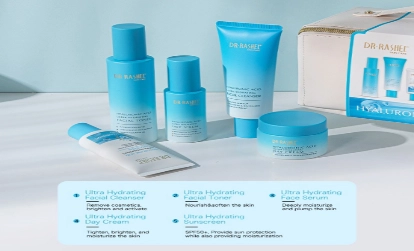
Most Dr. Rashel skincare and personal care products are cosmetics.
Dr. Rashel products are produced with relevant cosmetic compliance requirements in mind, and certain products have completed applicable FDA registration or product listing procedures. Additional products may be registered or listed according to product classification, customer needs, and target market requirements.
Status should be checked by SKU. A Vitamin C serum sold into one market may require a different document package from an SPF product prepared for the United States.
When Could a Dr. Rashel Product Face Different FDA Requirements?
The formula is only part of the regulatory picture. Intended use and marketing language can change a product’s classification.
Cosmetic Claims Versus Drug Claims
“Helps skin look smoother” is generally a cosmetic style claim. “Treats eczema” is a drug claim. “Reduces the appearance of fine lines” is different from claiming that a product rebuilds tissue or changes skin structure.
Product pages sometimes drift here. The formula may have been developed as a cosmetic, while the website promises medical results. Regulators consider labels, advertisements, product names, and surrounding claims—not only ingredients.
Careful wording is not weak marketing. It is controlled marketing.
Sunscreen, Acne and Other Therapeutic Products
Products marketed for sun protection, acne treatment, dandruff control, or other therapeutic purposes may face drug requirements in the United States. Some may be regulated as both cosmetics and drugs.
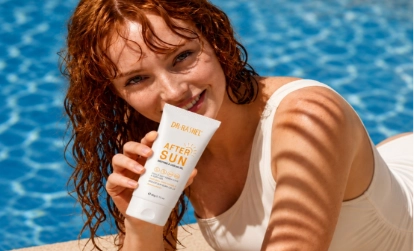
A Dr. Rashel sunscreen cannot be evaluated exactly like a hydrating toner. An SPF claim changes the regulatory path. So can an acne-treatment claim.
Classification should be confirmed before packaging is printed or commercial quantities are shipped.
How Does Dr. Rashel Support Cosmetic Compliance and Product Quality?
Compliance is not one certificate stored in a sales folder. It is a chain of decisions: ingredient review, formula control, testing, production records, labeling, and market specific documentation.
A polished label cannot rescue a poorly controlled formula.
“Where Beauty Meets Science”
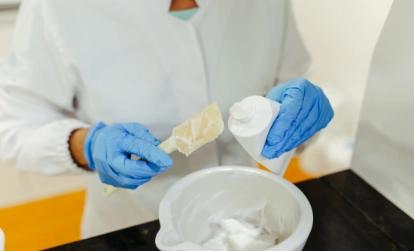
Dr. Rashel’s phrase, “Where Beauty Meets Science,” fits this process. Beauty is the visible result. Science is the less visible work behind it: formulation choices, compatibility checks, stability observations, raw material controls, and finished product inspection.
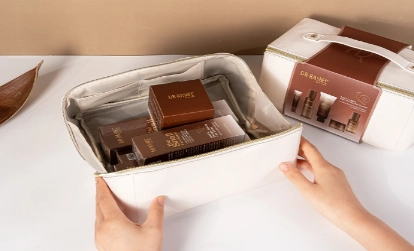
Depending on the product and market, supporting files may include ingredient lists, certificates of analysis, safety data sheets, test reports, batch records, and manufacturing documents. Distributors may also request label reviews or market specific compliance support.
These records do not turn a cosmetic into an FDA approved product. They show whether the regulatory work has been taken seriously.
What Should Buyers and Distributors Check Before Purchasing?
Buyers should review the exact commercial item, not rely on a broad claim covering the entire brand.
- Confirm the product name, formula, and SKU.
- Check the destination market and sales channel.
- Review ingredients, directions, warnings, and claims.
- Ask whether it is a cosmetic, drug, or combination product.
- Request available test reports and compliance documents.
- Verify applicable registration or listing information.
- Be cautious with unsupported “FDA approved” logos.
Documentation should match the item being purchased.
Frequently Asked Questions About Dr. Rashel and the FDA
Q: Is FDA Registration the Same as FDA Approval?
No. Facility registration and cosmetic product listing do not mean the FDA has approved, tested, or endorsed the product.
Q: Are All Dr. Rashel Products Registered or Listed With FDA?
Not necessarily. Requirements and submission status depend on the product category, facility, responsible person, destination market, and possible exemptions. Product specific confirmation is more reliable.
Q: Does an FDA Product Listing Guarantee That a Cosmetic Is Safe?
No. Listing is not an FDA safety certificate. The responsible company still needs suitable safety substantiation, compliant labeling, and manufacturing controls.
Q: Can Dr. Rashel Support Additional Regulatory Documentation?
Additional registration, listing, and supporting documentation may be arranged according to the product, customer request, and market requirements. The document package should be defined before production or shipment, especially for SPF or therapeutic products.
Conclusion: FDA Regulated Does Not Always Mean FDA Approved
Most Dr. Rashel cosmetics are not “FDA approved” because the FDA generally does not approve cosmetics before sale. Some products have completed applicable registration or listing procedures, while other products can be supported according to market needs.
The useful question is whether the product, claims, documents, and destination market line up. That is where compliance becomes real—and where “Where Beauty Meets Science” has practical meaning.
Contact Dr. Rashel to request compliance documents or discuss regulatory requirements for a specific product and target market.