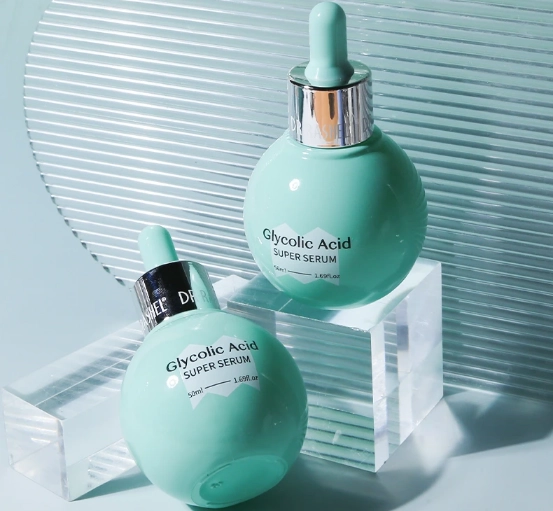
The face looks fresh at 8 a.m. By lunch, the forehead reflects the office lights and makeup has shifted around the nose. Cleansing harder or skipping moisturizer can leave the cheeks tight without solving the shine.
The best skincare routine for oily skin does not remove every trace of oil. It clears daily buildup and uses targeted products without turning the shelf into a chemistry bench.
Why Does Oily Skin Need a Balanced Routine?
Oil has a function. Problems appear when normal sebum is treated as dirt or every product is chosen for maximum drying power.
What causes oily skin?
Genetics and hormones can influence sebum production. Heat makes shine more visible. Product texture and cleansing habits matter too. These factors overlap, so one “oil-control” serum will not answer every case.
Oily skin can still be dehydrated
Oil and water are different. Skin can look shiny while feeling tight after washing. Air conditioning makes this obvious: an oily T-zone at noon, then dry cheeks by evening. Lightweight hydration may help more than another harsh cleanser.
What Should an Oily Skin Routine Actually Do?
A workable routine removes excess oil without stripping the skin. It provides light hydration and daytime sun protection. Judge it by how the skin behaves hours later, not how squeaky it feels at the sink.
Morning Skincare Routine for Oily Skin
Morning products must sit comfortably through heat and movement. Keep the layers light and purposeful.
Step 1: Cleanse without stripping the skin
Use lukewarm water and a gentle cleanser. Massage with fingertips, then rinse without scrubbing. Strong foam may feel satisfying for ten minutes yet cause tightness before breakfast. Comfortable skin may need only a light morning cleanse.
Step 2: Use a lightweight hydrating product
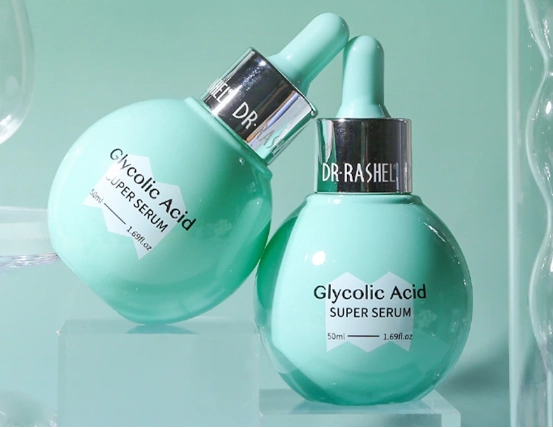
A fluid toner or serum can hydrate without a heavy finish. Glycerin and hyaluronic acid are common options. Niacinamide may suit visible oiliness, though the full formula matters. Browse the Dr. Rashel Face Care range by product role rather than choosing several serums.
Step 3: Apply moisturizer where needed
Oily skin does not need to skip moisturizer. Try a light lotion or gel, with a little more on tight areas. One thin layer usually sits better under sunscreen than several products.
Step 4: Finish with sunscreen
Apply broad-spectrum sunscreen as directed. Choose a texture that feels workable at the correct amount. Compare formats in the Dr. Rashel Sun Care range, then read the guide to sunscreen ingredients for oily skin.
Night Skincare Routine for Oily Skin
The night routine removes daily buildup and makes room for one targeted active without overloading the skin.
Step 1: Remove sunscreen and makeup
Remove water-resistant sunscreen and makeup before cleansing. A suitable remover limits rubbing around the eyes and nose. Heavy makeup may need two stages. Light sunscreen may not.
Step 2: Cleanse gently
Follow with a comfortable cleanser. Pay attention around the hairline and nose, where residue is missed. Washing twice with the same strong cleanser is rarely clever.
Step 3: Choose one targeted serum
Match one product to the main concern. Niacinamide may support a balanced-looking finish. Salicylic acid can help oily pore buildup. Hydrating serum may suit tight skin. Introduce one option slowly. Do not stack acids with retinol. Avoid adding an exfoliating mask on the same night.
Step 4: Seal in hydration
Finish with a light moisturizer. Gel textures suit warm weather. Lotion may work better when air conditioning leaves dry patches. The right choice can change with the season.
Ingredients to Look for in Oily Skin Products
Ingredient names narrow the search. The formula still decides texture and tolerance. Use this as a screening tool rather than a shopping list.
| Ingredient | Possible role | Practical caution |
| Niacinamide | Supports balanced-looking skin | Start at a comfortable concentration |
| Salicylic acid | Helps clear oily pore buildup | Reduce use if skin becomes irritated |
| Hyaluronic acid | Supports lightweight hydration | Pair with a suitable moisturizer |
| Glycerin | Helps attract and retain moisture | Judge the complete formula |
| Clay | Temporarily absorbs surface oil | Stop before skin feels tight |
One well-chosen product is often easier to manage than three overlapping serums.
Common Oily Skin Routine Mistakes
A quick routine audit usually finds more value than another product purchase.
- Washing the face more than necessary
- Using very hot water
- Skipping moisturizer completely
- Applying several active ingredients together
- Scrubbing visible pores
- Choosing every product because it says “oil control”
- Skipping sunscreen because it feels heavy
- Changing the entire routine after one breakout
Short-term dryness can resemble oil control. Check again at day’s end. Tightness or stinging suggests the routine went too far. New flakes do too.
How to Adjust the Routine for Your Skin
Weather can justify small changes without rebuilding the routine. Travel and indoor conditions can do the same.
When the weather is hot and humid
Reduce heavy layers and choose fast-settling textures. Sweat may require cleansing after exercise, but visible shine alone does not require another full wash. The sunscreen routine for hot and humid weather offers more climate-specific guidance.
When the skin feels tight or irritated
Pause strong active products. Keep gentle cleansing and moisturizer. Maintain daytime sunscreen. Add treatments back separately after the skin feels stable. Persistent burning or swelling needs professional advice. So does a spreading rash.
Build an Oily Skin Routine with Dr. Rashel
Once each step has a purpose, selection becomes simpler. Start with cleanser and light hydration. Add moisturizer and sunscreen. Use a serum for a defined concern. Compare directions across the Dr. Rashel ranges; not every oil-control product belongs together.
FAQs About Skincare for Oily Skin
Q: How often should oily skin be cleansed?
Morning and evening is enough for many people. Adjust after heavy sweating or makeup use. Frequent washing is not a reliable fix for midday shine.
Q: Does oily skin need moisturizer?
Usually, yes. Choose a texture that matches the weather and current skin feel. Apply less where the face is already comfortable.
Q: Can niacinamide and salicylic acid be used together?
Some people tolerate both. Beginners should introduce them separately and watch for dryness or stinging before combining products.
Q: Why does my face become oily after washing?
Natural sebum production continues after cleansing. Heat and an overly stripping routine can make the contrast feel stronger. Review the cleanser and washing frequency before adding another treatment.
Keep Your Oily Skin Routine Simple
Choose steps that still feel workable on a rushed morning. Change one variable at a time. When a Dr. Rashel product needs clarification, contact Dr. Rashel. Include the product name and target concern. State the relevant market too.